Household pests in NJ range from ants in the kitchen to mice in the garage and termites you may never see. Here is a surprising fact: according to the EPA, most people do not know they have termites until they spot a swarm or find damage. The good news is that a few simple habits keep most pests outside. This guide covers the ones you are most likely to meet, the signs to watch for and when to call a professional.
Key takeaways
Pests need food, water and shelter, so taking those away is your first line of defense.
Termites are hard to spot, so keep soil by the foundation dry and inspect from time to time.
Sealing gaps and clearing clutter makes it much harder for mice to move in.
In New Jersey, a business that applies pesticides for hire must be licensed by the state.
What Draws Household Pests in NJ Indoors
Pests want the same things you do. The EPA’s guide on whether you really need a pesticide explains that pests need food, water and shelter to survive. So the more of those you take away, the less likely they are to settle in. Before you reach for a spray, try the EPA’s three simple steps:
What it means
Try this
Starve them out
Cut off easy food
Seal food, wipe up crumbs, empty the trash often
Dry them out
Remove water
Fix leaky faucets, drain the sink, empty plant saucers
Keep them out
Block the way in
Seal cracks, repair screens, clear out clutter
For example, a bag of open cereal, a dripping pipe or a pile of cardboard boxes can be an open invitation. Fix those first, and many problems never start.
Ants in the Kitchen
Ants often show up in warm weather, usually in a neat line toward something sweet. A few scouts can quickly turn into a trail if they find food. To stop them, cut off the supply:
Store cereal, flour and sugar in sealed containers.
Wipe up spills and crumbs right away.
Wash dishes instead of leaving them in the sink.
Do not leave pet food out overnight.
Keep a tight lid on the trash, and keep the cans away from the back door.
Sealed containers for cereal, flour and sugar take away the easy meal that draws ants into the kitchen.
Large ants that keep turning up indoors deserve a closer look. In that case, have a professional identify them and check for damp or damaged wood. Once the ants are handled, Tim Fisher, who offers custom carpentry, can help you repair rotted trim or framing.
Termites: Household Pests in NJ You Rarely See
Termites can do serious harm. The EPA’s termite fact sheet says they cause billions of dollars in structural damage every year. They also stay hidden, so one way to check is to probe exposed wood for hollow spots with a flathead screwdriver.
A swarm of winged insects is another clue. However, flying ants are sometimes mistaken for termites. The EPA describes the difference this way:
Ants
Termites
Wings
Front wings longer than the hind wings
Wings roughly equal in length
Antennae
Bent at a 90-degree angle
Straight, and may droop
The same fact sheet suggests ways to make your home less inviting:
Keep soil near the foundation dry with good grading, gutters and downspouts.
Fill cracks in the foundation and gaps where pipes and wires enter.
Fix leaks right away, and keep vents clear of plants.
Keep shrubs and trees from growing against exposed wood.
Do not store firewood or wood scraps next to the house.
The EPA advises against piling firewood or wood scraps next to the house, so keep the stack well away from your walls.
Treating termites is a job for a professional. In fact, the EPA notes that firms offering termite services must be licensed by your state, so ask to see the company’s license.
Mice and Other Rodents
Mice love clutter and can squeeze through surprisingly small gaps. Signs include droppings, chewed boxes and scratching sounds in walls or ceilings at night.
First, seal cracks and openings along baseboards, behind sinks and around pipes and windows. Next, clear out stacks of newspapers, paper bags and cardboard boxes. If you set traps or baits, the EPA advises using tamper-resistant bait stations placed where children and pets cannot reach them. Also, fix leaky faucets and pipes, because pests need water too. A plumber such as Peter Travisano can track down hidden leaks under sinks and in basements.
Ticks and Stinging Insects in the Yard
Ticks are not indoor pests, but they are a real concern in New Jersey yards. The New Jersey Department of Health explains that Lyme disease spreads through the bite of an infected tick. Its prevention tips include avoiding wooded areas with dense shrubs and leaf litter, wearing protective clothing and using insect repellent. It also suggests tick checks after time outdoors, plus mowing the lawn and keeping shrubs trimmed.
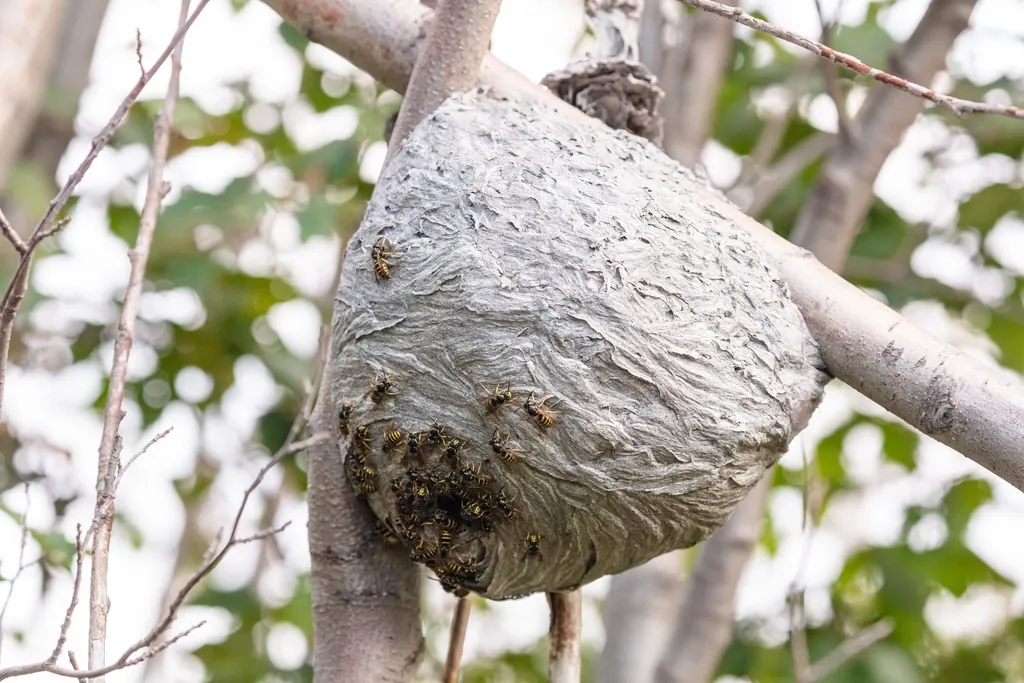
Wasps and hornets build papery nests in sheltered spots such as eaves, sheds and tree branches. If you find an active nest near a door or play area, keep people and pets away. Do not swat at the nest or try to seal it yourself, because disturbing it can lead to stings. Instead, call a pest control company to deal with it safely.
Keep people and pets away from an active nest, and call a professional instead of trying to knock it down.
When to Call a Pro for Household Pests in NJ
You can handle a few ants on your own. However, some problems need a trained eye, and a good company will start with a plan rather than a spray.
How integrated pest management works
Many professionals use integrated pest management, or IPM. The EPA describes IPM as a series of evaluations, decisions and controls rather than a single method. It follows four steps:
Set an action threshold. Decide when action is truly needed, since seeing one pest does not always mean you need control.
Monitor and identify. Find out exactly which pest you have, so the right method gets used.
Prevent. Change the space so pests have less reason to stay.
Control. Choose effective, lower-risk methods first, and save broader treatments for when those fail.
Signs it is time for a professional
Signs of termites, such as hollow-sounding wood or a swarm indoors
Mice or rats that keep coming back after you set traps
A stinging insect nest near a doorway or play area
Bed bugs or other pests you cannot identify
A pest problem in a business where customers or staff could be affected
New Jersey note: State rules require a pesticide applicator business to be licensed by the Department of Environmental Protection. Each location must also employ at least one certified, licensed commercial applicator for the type of work it does. Ask any company for its license details before treatment starts.
If you are buying or selling a home, ask your agent about a wood destroying insect inspection. A Realtor such as Alicia Acciardi can explain where it fits in your timeline.
Household Pests in NJ: Questions Homeowners Ask
Which household pests in NJ can damage the structure of a home?
Termites are the big one. The EPA says termites cause billions of dollars in structural damage each year, and most people do not notice them until they see a swarm or find damage. That is why periodic inspections make sense.
Can I treat termites myself?
Termite control is best left to a licensed company. The EPA advises choosing a firm carefully, asking to see its state license and reading the label of any product it plans to use. You can still help by keeping wood and moisture away from the foundation.
How can I lower the risk of ticks in my yard?
The New Jersey Department of Health suggests mowing the lawn and keeping shrubs trimmed. When you spend time outdoors, wear protective clothing, use insect repellent and check yourself, your children and your pets for ticks afterward.
Does a pest control company in NJ need a license?
Yes. New Jersey rules require a pesticide applicator business to be licensed by the Department of Environmental Protection, with a certified, licensed applicator at each location. A few narrow exemptions apply, so ask the company to show you its license.
How Greg Bubb Can Help
Greg Bubb works with Western Pest Services, a pest control company founded in 1928 and headquartered in Parsippany. Western handles residential and commercial pest problems across New Jersey, including termites, rodents, bed bugs, ants and stinging insects. It also provides wood destroying insect reports and runs integrated pest management programs for businesses such as restaurants, healthcare facilities, schools and multifamily properties.
You can call or email Greg from his profile, or use it to request an introduction. He is part of our Home Projects & Repairs team, so you can also meet other members who help with work around the house. Property and facility managers may also want to see the Commercial Property & Facilities team.
This article is general information, not professional or medical advice. Pest problems and treatment options vary, so speak with a licensed pest control professional about your home or business.






 With Tim Fisher Home Improvements & Custom Carpentry