Most plumbing problems in NJ homes start small, with a drip under the sink, a toilet that runs all night or a drain that gurgles. Picture this: on the coldest night in January, a pipe in your garage freezes and splits, and by morning water covers the floor. Knowing which problems you can handle and which need a licensed plumber saves money and stress. This guide walks you through common issues, simple checks and the clear signs that it is time to call for help.
Key takeaways
Find your main water shutoff valve now, before an emergency.
Worn toilet flappers and faucet washers are common leaks you can often fix with basic tools.
Burst pipes, sewage backups and a leaking water heater tank need a pro right away.
In winter, protect exposed pipes and never thaw one with an open flame.
Replacing a water heater in New Jersey needs a construction permit, so hire a licensed plumber.
Small Plumbing Problems You Can Often Fix Yourself
Not every drip needs a service call. The EPA’s WaterSense Fix a Leak Week page names worn toilet flappers, dripping faucets and other leaking valves as the most common household leaks. It also says these leaks are often easy to fix with a few tools and some hardware. In fact, fixing simple leaks can save homeowners about 10 percent on their water bills, according to the EPA.
Here are jobs many homeowners take on with confidence:
Replacing a worn toilet flapper that lets the tank run
Swapping a faucet washer, gasket or cartridge
Cleaning a clogged faucet aerator that has lost pressure
Wrapping a leaky showerhead connection with pipe tape
Clearing a single slow sink or tub drain with a plunger
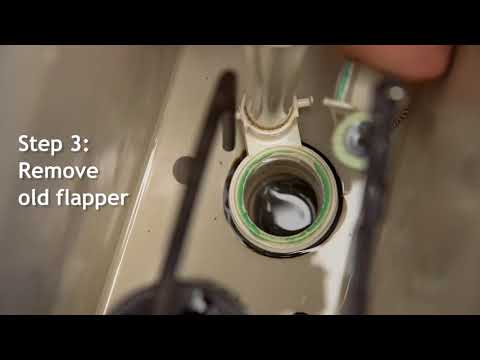
The EPA suggests checking the flapper from time to time and replacing it at least every five years. A worn one can let a toilet flush on its own or silently leak thousands of gallons a year. The short video below shows how the swap works.
Tip: Take the old flapper, or a photo of it, to the hardware store. That way, you can match the width and style to your toilet model on the first try.
However, stop if a fix does not work or the problem keeps coming back. A repeat leak often has a deeper cause, such as a worn valve seat or a corroded fitting.
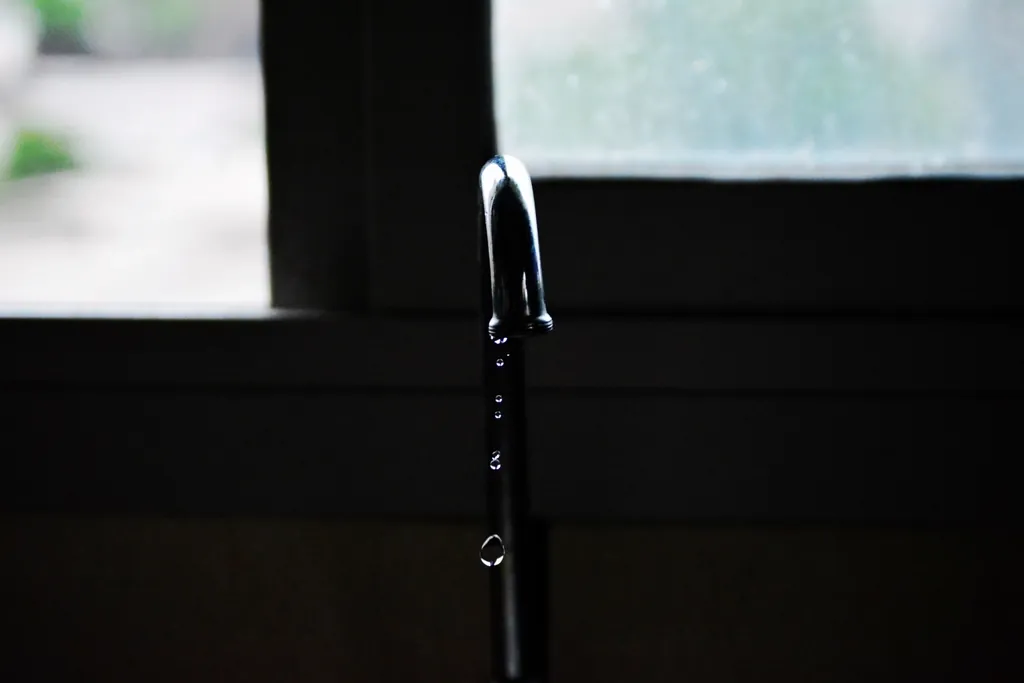
A faucet that drips once per second can waste more than 3,000 gallons a year, so even a slow drip is worth fixing.
How to Find Hidden Leaks
Some leaks hide inside walls, under floors or in the toilet tank. According to the EPA, the average household’s leaks waste more than 9,300 gallons of water every year. These quick checks help you find yours:
Read the water meter. Note the reading, use no water for two hours, then read it again. If the number changes at all, you probably have a leak.
Run a dye test. Put a few drops of food coloring in each toilet tank. If color shows up in the bowl within 10 minutes, the toilet leaks. Flush right away so the dye does not stain.
Check fittings and gaskets. Look for water on the outside of pipes, under sinks and around faucet bases.
Look at winter bills. The EPA says a family of four using more than 12,000 gallons a month in January or February may have a serious leak.
If the meter keeps moving and you cannot find the source, call a plumber. A hidden leak can damage floors, cabinets and drywall long before you see a stain.
Plumbing Problems in NJ That Need a Pro Right Away
Many small leaks can wait a day or two. However, some plumbing problems in NJ homes cannot wait until the weekend. Call a licensed plumber as soon as you notice any of these:
A burst or leaking pipe you cannot stop
Water spreading across a floor or coming through a ceiling
Sewage backing up into a tub, shower or floor drain
A water heater leaking from the tank itself
A sump pump that stops working during heavy rain
A frozen pipe you cannot find, reach or thaw
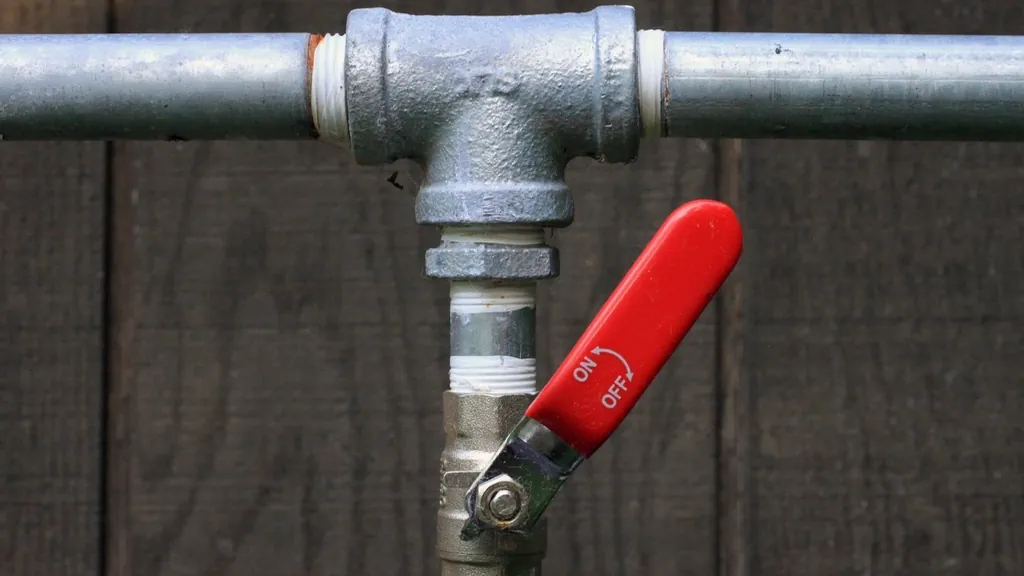
While you wait, turn off the water at the main shutoff valve. It usually sits where the water line enters the house, often in the basement near the meter. Walk your family through it now, so anyone at home can close it fast.
Watch out: If you ever smell gas near a water heater or boiler, do not try to fix it. Leave the house and call your gas utility or 911 from outside.
Slow Drains: A Simple Clog or the Main Line?
Slow drains are a familiar headache in older homes and new ones alike. The trick is to tell a local clog from a bigger blockage. This quick comparison can help:
Local clog
Main line problem
Where
One sink, tub or toilet
Several drains at once
Signs
Slow draining at one fixture
Gurgling, or water rising in the lowest drain
Common causes
Hair, grease or soap buildup
Tree roots or a damaged sewer pipe
Next step
Plunger or drain snake
Call a plumber
A plumber can clean the main line and find the cause. Meanwhile, go easy on chemical drain cleaners. They can be risky to handle, and they will not clear tree roots or a broken pipe.
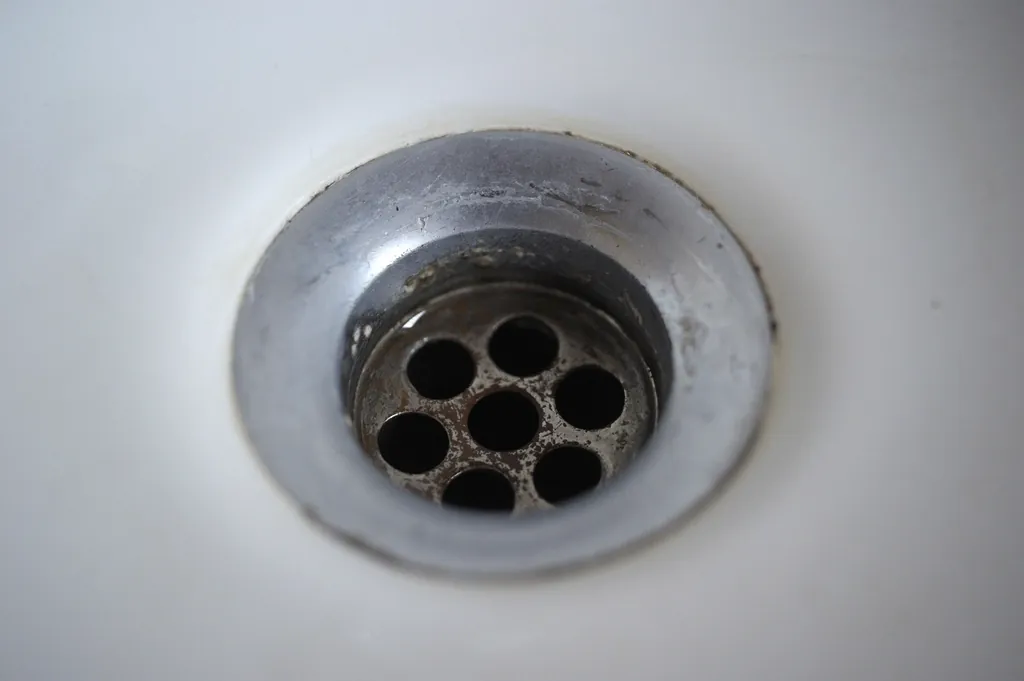
One slow drain is usually a local clog. Several slow drains at the same time can point to a problem in the main line.
Water Heater Warning Signs
Water heaters tend to give warnings before they fail. So watch for these signs:
Hot water runs out faster than it used to.
The tank makes rumbling or popping sounds.
Hot water looks rusty or smells odd.
Water pools around the base of the tank.
A leak from the tank itself usually means it is time for a replacement. Still, a plumber should confirm the cause first, because a loose fitting or valve can look the same.
New Jersey note: A Department of Community Affairs bulletin lists replacing a water heater with a new one of like capacity as “minor work.” Minor work needs a construction permit, but the job can start once the local code office has been notified. By contrast, replacing a faucet or clearing a stoppage counts as ordinary maintenance, with no permit.
Winter Plumbing Problems in NJ: Preventing Frozen Pipes
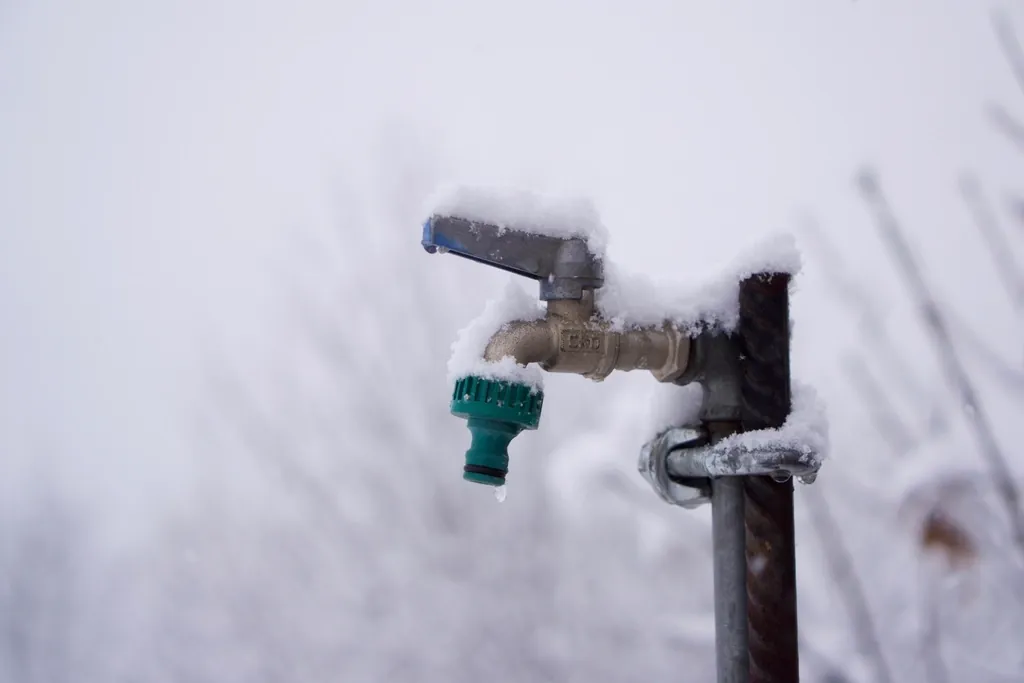
Frozen pipes are a classic New Jersey winter headache. The American Red Cross explains that water expands as it freezes, which puts enough pressure on metal or plastic pipes to break them. Pipes in garages, crawl spaces, attics and outside walls freeze most often. Its frozen pipe guide recommends these steps:
Drain and store outdoor hoses, and close the inside valves that feed outdoor spigots.
Insulate pipes in garages, crawl spaces, attics and under sinks.
On very cold nights, open sink cabinet doors and let cold water drip from faucets on exposed pipes.
Keep the thermostat at the same temperature day and night.
If you travel, leave the heat on and set it no lower than 55 degrees.
If a faucet only trickles, suspect a frozen pipe. Keep the faucet open and warm the pipe with a hair dryer or heating pad, but never with an open flame. If you cannot find the frozen spot or thaw it safely, the Red Cross advises calling a licensed plumber.
Before the first hard freeze, drain your garden hose and close the indoor valve that feeds each outdoor spigot.
Plumbing Problems in NJ: Questions Homeowners Ask
Should I call a plumber for a running toilet?
Not always. A running toilet often has a worn flapper, which is an inexpensive part you can replace yourself. However, if a new flapper does not stop the noise, or the tank fills slowly, a plumber can check the fill valve and other parts.
Which plumbing problems can wait until morning?
A slow drain, a dripping faucet or a running toilet can usually wait for regular hours. On the other hand, a burst pipe, a sewage backup or a leaking water heater tank needs fast help. When in doubt, shut off the water and call.
Do I need a permit to replace a water heater in NJ?
Yes. A state code bulletin lists like-for-like water heater replacement as minor work, which needs a construction permit. Work may begin once the local code office has been notified. Ask your plumber to handle that paperwork as part of the job.
How do I choose a good plumber?
Ask neighbors for names, then check a few details. Ask for the New Jersey license number and proof of insurance. Also ask whether they offer emergency service, who pulls permits and whether you will get a written estimate before work begins.
How Peter Travisano Can Help
Peter Travisano is with Travisano Plumbing and Heating, a West Caldwell company that has served customers in Northern New Jersey since 1999. The business handles everyday plumbing repairs, drain and sewer main cleaning, and boiler and water heater installation and repair. It also installs sump pumps, replaces water lines and takes on kitchen and bathroom remodeling. In addition, it offers emergency service 24 hours a day.
So if you face plumbing problems in NJ that you cannot fix yourself, visit Peter’s profile to call, email or request an introduction. He is part of our Home Projects & Repairs referral team. There you can also meet Tim Fisher for home improvements and custom carpentry, and pest control pro Greg Bubb, since moisture can attract pests. For more local help, browse our Home Services & Contractors members.
This article is general information, not professional plumbing advice. Every home’s plumbing is different, so speak with a licensed New Jersey plumber about your situation.


 With Tony DiGrezia Painting & Powerwashing