A roof replacement in NJ is one of the biggest projects you can take on as a homeowner. Picture this: a heavy spring storm rolls through, and the next morning a brown stain is spreading across your bedroom ceiling. Roofs rarely fail overnight, so the clues were probably there for a while. This guide shows you how to read those clues, how to choose between repair and replacement, and what to expect on the job.
Key takeaways
Several warning signs together, or leaks in more than one place, usually point to a new roof rather than another patch.
For a detached one- or two-family home, a state code reference treats replacing the roof covering as ordinary maintenance that needs no permit.
Hire a registered home improvement contractor and get the warranty terms in writing.
If a storm caused the damage, call your insurance agent before you sign anything.
Signs You May Need a Roof Replacement in NJ
Roofs usually give you small clues over several seasons. Walk around your house after a storm and look up with binoculars. Then check your attic on a sunny day. Watch for these signs:
Shingles that are curling, cracked, buckled or missing
Bare spots where shingles have lost their granules
Granules piling up in your gutters or at the bottom of downspouts
Water stains on ceilings or attic boards after heavy rain
Daylight showing through the roof boards in the attic
A roofline that sags or dips
Rusted, loose or missing flashing around chimneys, vents and skylights
One sign alone does not always mean you need a new roof. However, several signs together often point to a roof near the end of its life. In addition, a roof that leaks in more than one place is usually a better fit for replacement than for another patch.
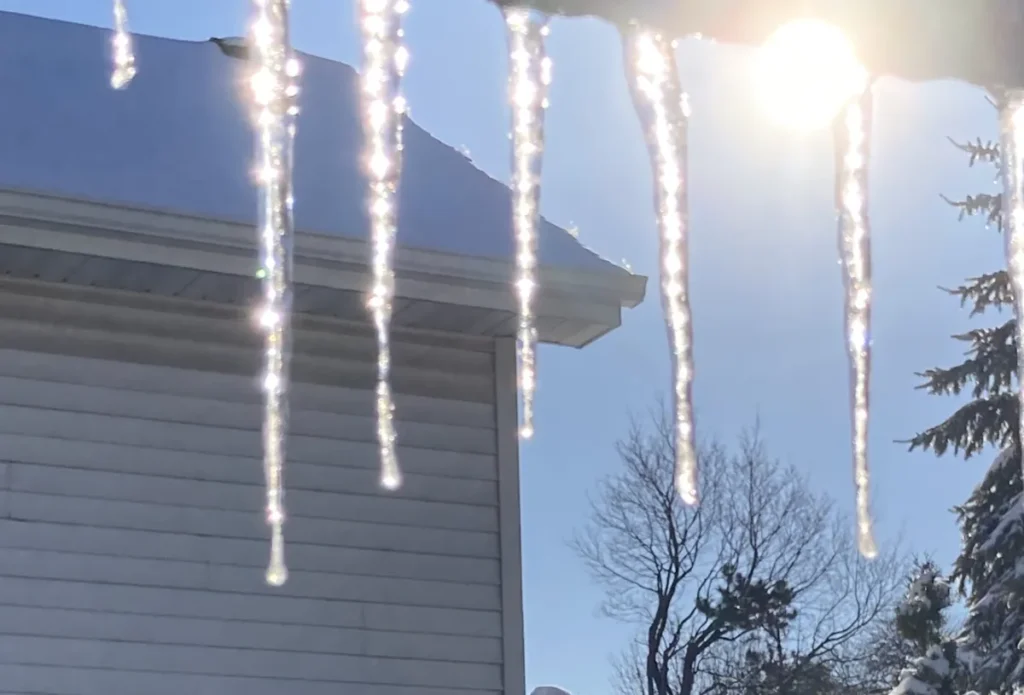
Winter puts your roof edges to the test. Ask how the new roof’s ice barrier and ventilation will handle it.
Repair or Replace? How to Decide
A repair makes sense when the damage is small and the rest of the roof is sound. For example, a roofer can often fix a few wind-torn shingles or a cracked vent boot in one visit. Replacing the whole roof makes more sense when problems keep coming back. This comparison can help:
Repair may be enough
Replacement may make sense
Damage
One small area
Spread across many parts of the roof
History
First problem in years
Several repairs in the last few years
Roof deck
Firm underfoot
Soft or spongy in spots
Your plans
Staying put, roof otherwise sound
Selling soon and want no inspection surprises
If most of your answers land in the right-hand column, a new roof may cost less over time than a string of repairs. Either way, ask for a written estimate for both options so you can compare them side by side.
Choosing Materials for Your New Roof
The shape of your roof, your budget and the look of your street will guide this choice. Here are the materials you will see on many New Jersey homes:
Asphalt shingles. They come in many colors and styles, and many roofers install them.
Metal roofing. Panels or metal shingles cost more up front, so ask about the long-term value.
Slate and tile. These heavy materials need a strong frame and a crew with the right skills.
Cedar shakes. They give a natural look but need more care to stay in good condition.
Flat roof membranes. Low-slope roofs on porches, additions and commercial buildings often use a membrane instead of shingles.
Beyond the surface, a good roof works as a system. So ask what underlayment, ice barrier, flashing and attic ventilation the contractor plans to use. These hidden parts matter just as much as the shingles you see from the street.
Slate looks great but is heavy, so it needs a strong frame and a crew with experience in the material.
Do You Need a Permit for Roof Replacement in NJ?
Permit rules surprise many homeowners. A state Department of Community Affairs reference on the Uniform Construction Code lists the types of work that count as ordinary maintenance.
New Jersey note: The reference lists the repair or total replacement of any amount of existing roof covering on a detached one- or two-family home as ordinary maintenance. That means no construction permit and no inspection. However, the work still has to meet code. Repairing or replacing existing siding is on the list too, except for polypropylene siding.
Other buildings follow different rules. So if you own a townhouse, a multifamily building or a commercial property, call your local construction office first. You should also call if the job includes structural repairs. Finally, check with your homeowners association if it has rules about roof colors or materials.
How to Hire a Roofing Contractor
Unless an exemption applies, businesses that make or sell home improvements in New Jersey must register with the Division of Consumer Affairs. Registered contractors must also carry liability insurance and file proof with the state. Before you sign, ask for the registration number and a copy of the insurance certificate.
Read the contract closely, too. Under the state’s Contractors’ Registration Act, a contract over $500 must list the contractor’s registration number and include a copy of the insurance certificate. It must also explain your right to cancel for any reason within three business days of getting a copy.
Next, use this checklist to compare companies:
Two or three written estimates for the same scope of work
Proof of insurance along with the registration number
Written warranty terms for both the materials and the labor
A contract that lists the materials, the schedule, cleanup and the payment plan
Watch out: Be careful with anyone who knocks after a storm, wants full payment up front or insists your roof is about to fail. New Jersey’s home improvement practices rules make it unlawful to falsely claim that part of your home is dangerous or needs replacing.
If a storm caused the damage, talk with your insurance agent early. An agent such as Justin Gervasio can explain how your homeowners policy handles roof claims before you file.
What to Expect on Roof Replacement Day
The timeline depends on the size of your roof, the material and the weather. Even so, most jobs follow the same basic steps:
Protect the property. The crew covers plants, windows and the driveway with tarps.
Tear off. Workers strip the old shingles and underlayment down to the roof deck.
Check the deck. The contractor inspects the boards and replaces any that are rotted.
Build the new roof. The crew installs underlayment, flashing and roofing, plus any ice barrier in the plan.
Add ventilation. Workers install ridge vents or other ventilation as planned.
Clean up. The team hauls away debris and runs a magnet over the yard to catch stray nails.
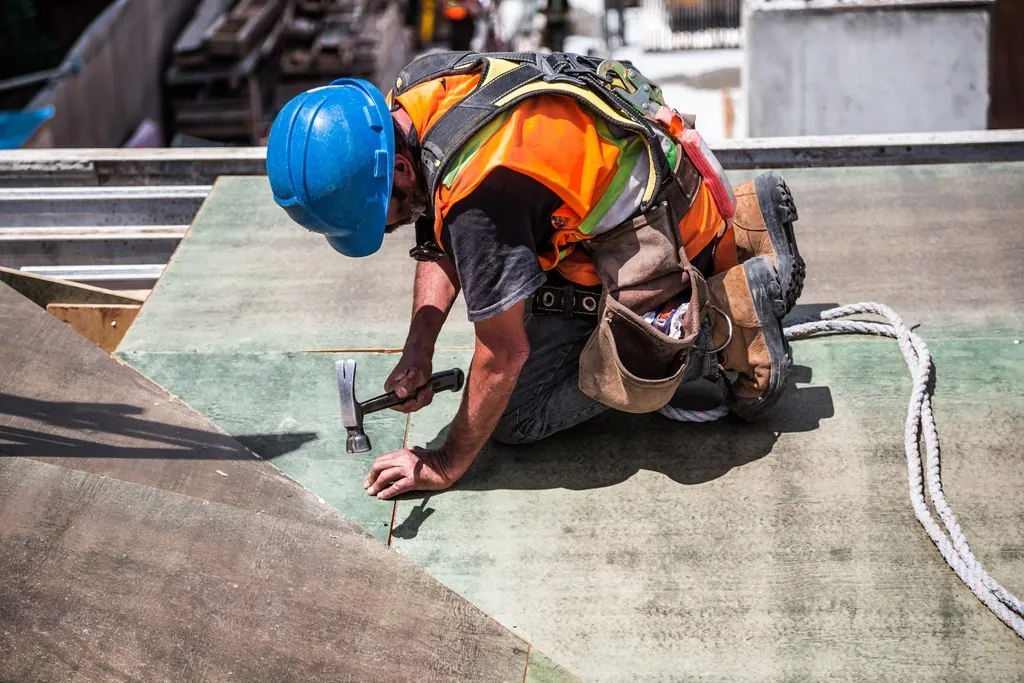
Once the old roof comes off, the crew checks the deck and replaces any rotted boards before the new layers go on.
Expect noise and some dust in the attic. Therefore, move stored items out of the attic, park your car away from the house and keep pets inside. At the end, walk the property with the contractor and ask for your warranty papers. Planning paint or powerwashing too? It often helps to schedule that work around the new roof, so you might also talk with a painter like Tony DiGrezia.
Roof Replacement in NJ: Questions Homeowners Ask
Does homeowners insurance pay for a roof replacement?
It depends on your policy and the cause of the damage. Many policies treat sudden storm damage differently from normal wear and tear. Read your policy and ask your agent before you file a claim or sign with a contractor.
Do I need a permit for a roof replacement in NJ?
For a detached one- or two-family home, the state’s code reference lists replacing the existing roof covering as ordinary maintenance, so no permit is needed. Other buildings, and jobs with structural repairs, are different, so check with your local construction office.
What time of year is best for a new roof?
Mild, dry weather makes the work easier for the crew. However, a leaking roof should not wait for spring. If you need help in winter, ask a roofer about a temporary repair until a full replacement can be scheduled.
How Alex Castro Can Help
Alex Castro is co-owner and partner of Metro Elite Roofing & Siding, a Denville contractor that works with homeowners across Morris, Sussex and Essex counties. The company handles roof replacement and repair, emergency roof repairs around the clock, new siding, gutter guards and windows. It holds GAF Certified PLUS and Owens Corning Preferred Contractor credentials. Its New Jersey home improvement contractor registration is NJ HIC #13VH13563400.
You can call or email Alex from his profile, or use it to request an introduction. He is also part of our Home Projects & Repairs team, a group of members who help with work around the house. For bigger buildings, see the Commercial Property & Facilities team, or browse the full member directory.
This article is general information, not professional or legal advice. Roof conditions, permit rules and insurance policies vary, so speak with a registered contractor and your local construction office about your home.


 With Chris Heidger Commercial HVAC