Commercial HVAC maintenance in NJ keeps heat, cooling and fresh air running through humid summers and freezing winters. Picture this: on the first heat wave of June, the rooftop unit over your office shuts down, and by noon your staff is working in a stuffy room while a technician hunts for parts. A steady maintenance plan helps you avoid most of those surprises. It also cuts energy use, protects your equipment and helps you follow the refrigerant rules.
Key takeaways
ENERGY STAR recommends an annual maintenance contract with tune-ups before each heating and cooling season.
Change or clean filters every month during peak season, and keep coils and vents clean.
Large and walk-in refrigeration systems need service at least once a year.
Federal rules ban venting refrigerants and set leak repair deadlines for large systems.
New Jersey requires owners of commercial buildings over 25,000 square feet to benchmark energy and water use.
Why Commercial HVAC Maintenance Pays Off
ENERGY STAR, an EPA program, puts it simply. Even a new HVAC system, like a new car, will lose performance without regular care. Its energy-saving checklist for commercial buildings suggests an annual maintenance contract, so your contractor provides tune-ups before each cooling and heating season. It also notes that regular care lowers your chances of an emergency breakdown.
Good upkeep pays off in other ways, too. Clean equipment uses less energy, so your bills stay lower. In addition, it helps keep the air clean for tenants, staff and customers. Call for service if you notice any of these warning signs:
Some rooms run much warmer or cooler than others.
The system turns on and off more often than usual.
You hear new rattles, squeals or grinding sounds.
Energy bills jump without a clear reason.
You see water near units or smell musty odors.
Your Commercial HVAC Maintenance Checklist
Every building is different, so your contractor should fit the plan to your equipment and hours. Still, most plans cover the same core tasks, many of them drawn from the ENERGY STAR checklist:
Filters. Change or clean them every month during peak heating or cooling season. Dirty filters cost more to run, overwork the equipment and lower indoor air quality.
Coils. Clean the evaporator and condenser coils on air conditioners, heat pumps and chillers, since dirty coils block heat transfer.
Controls. Calibrate thermostats so readings are correct, and adjust set points for each season.
Belts and motors. Check belts for wear and keep moving parts lubricated.
Insulation. Repair damaged insulation on pipes and ducts, and replace any that is missing.
Refrigerant. Look for signs of leaks and check charge levels during each tune-up.
Tip: Keep the areas in front of vents clear of furniture, boxes and paper. ENERGY STAR notes that blocked vents can take as much as 25 percent more energy to distribute air.
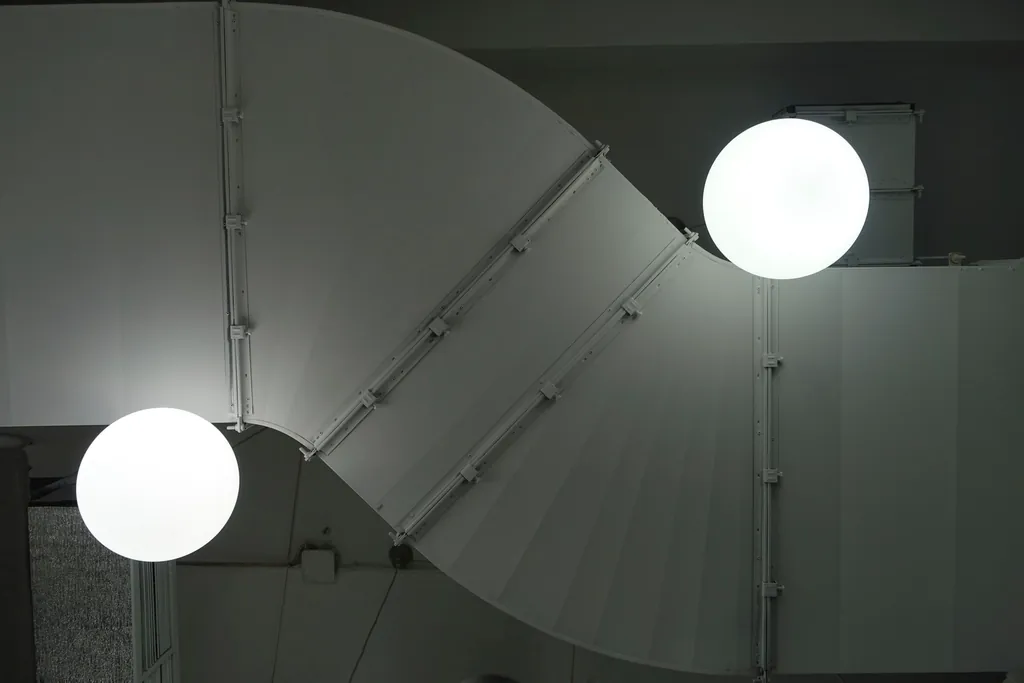
Clean filters and open vents let your ductwork move air with less effort, which helps both comfort and energy bills.
A Seasonal Commercial HVAC Maintenance Calendar
Commercial HVAC maintenance in NJ has to cover both strong summer cooling and reliable winter heat, so timing matters. This simple calendar follows the ENERGY STAR advice on pre-season tune-ups and monthly filter care:
Main task
Also check
Spring
Cooling tune-up before the season
Coils, refrigerant charge, condensate drains
Summer
Monthly filter changes
Blocked vents and rooms that run warm
Fall
Heating tune-up before the season
Boilers, burners, controls and set points
Winter
Monthly filter changes
Night and weekend setbacks, open doors
Busy sites, such as restaurants or medical offices, may need more frequent visits. So ask your contractor to put the schedule in writing. That way, everyone knows what happens and when.
Commercial Refrigeration Needs Its Own Plan
If you run a supermarket, restaurant or cold storage space, give refrigeration its own plan. ENERGY STAR advises that large and walk-in systems get service at least once a year. That work includes cleaning, a refrigerant top-off, lubrication of moving parts and belt adjustment.
For smaller units, clean the coils twice a year. Then check the door gaskets with a simple test. If a dollar bill slips out easily when the door closes on it, the gasket likely needs replacing.
EPA Refrigerant Rules Every Owner Should Know
Refrigerant is not something to handle casually. Under Section 608 of the Clean Air Act, no one may intentionally vent ozone-depleting refrigerants or their substitutes, such as HFCs, while servicing, repairing or disposing of equipment. The EPA also runs a technician certification program under the same section.
Large systems face extra rules. The EPA’s leak repair requirements apply to appliances with a full charge of 50 or more pounds of ozone-depleting refrigerant. The trigger leak rate over 12 months is 20 percent for commercial refrigeration and 10 percent for comfort cooling, which includes chillers and packaged rooftop units. When a system leaks above its trigger rate, the owner generally has two paths:
Repair within 30 days. Fix the leak within 30 days of finding it, then run the required verification tests.
Or plan a retrofit or retirement. Write a plan within 30 days to retrofit or retire the appliance, and finish the work within one year.
Watch out: The EPA notes that it has recently updated these requirements, and in 2024 it published a final rule on managing certain HFCs. Keep good service records, and ask your contractor which rules apply to each system.
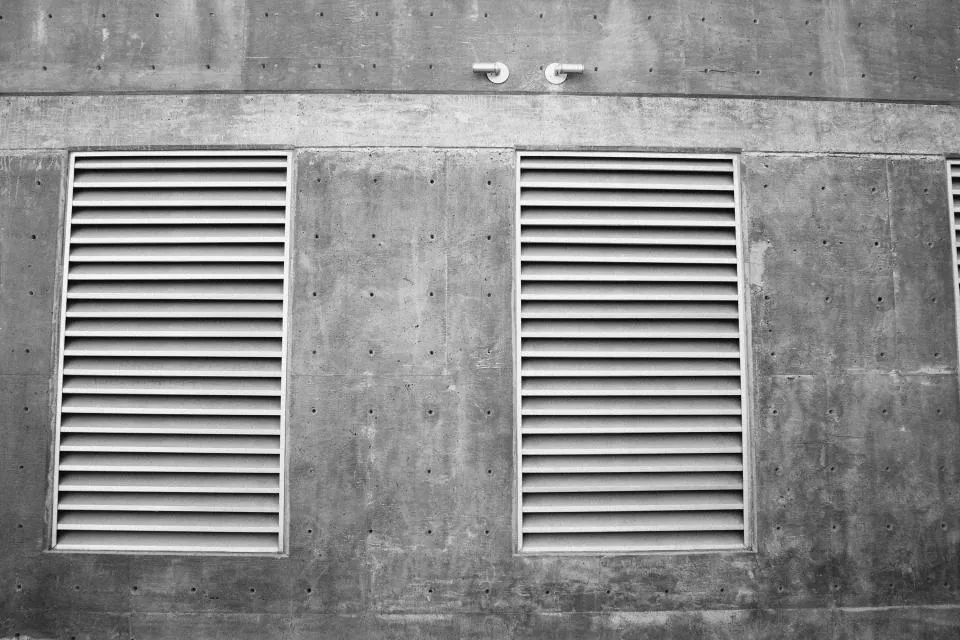
Keep louvers, intakes and vents free of boxes, debris and stored items. Blocked airflow makes the whole system work harder.
Track Energy Use and Meet NJ Benchmarking Rules
Good commercial HVAC maintenance in NJ shows up in your energy bills. For that reason, it helps to measure how your building performs over time. The ENERGY STAR checklist also suggests asking your utility whether it offers free or inexpensive energy audits.
New Jersey note: A Board of Public Utilities order requires the owner or operator of every commercial building over 25,000 square feet to benchmark energy and water use. Owners report through the EPA’s ENERGY STAR Portfolio Manager tool, as the state’s Clean Energy Act requires.
Benchmarking shows how your building compares with similar ones. Portfolio Manager can also give eligible buildings a 1-100 ENERGY STAR score, which the video below explains.
Simple habits help as well. Set back thermostats at night and on weekends when the building is empty. Keep outside doors closed while the system runs. As a result, your equipment works less and may last longer, too.
Commercial HVAC Maintenance in NJ: Questions Owners Ask
How often does commercial HVAC maintenance need to happen?
ENERGY STAR suggests monthly upkeep of heating and cooling equipment, monthly filter changes during peak seasons, and a pre-season tune-up before each cooling and heating season. Your contractor can adjust that schedule for your equipment, building and hours.
Can my own staff handle some of the work?
Yes, for simple tasks. Your staff can often change filters, keep vents clear and report odd noises or leaks. However, leave refrigerant, electrical and gas work to a licensed, certified contractor, since federal rules govern refrigerant handling.
Is a maintenance contract worth it?
For many buildings, it is. A contract puts tune-ups on the calendar, so they do not get skipped in a busy season. ENERGY STAR also notes that regular maintenance lowers your chances of an emergency breakdown.
Which NJ buildings must benchmark energy use?
The Board of Public Utilities requires benchmarking for every commercial building over 25,000 square feet. Owners use the EPA’s Portfolio Manager tool to report energy and water use. Check the BPU’s current deadlines for your building each year.
How Chris Heidger Can Help
Chris Heidger is with KCG Energy Management LLC, a veteran-owned commercial HVAC, refrigeration and energy management contractor in Moonachie. KCG maintains, repairs and installs rooftop units, chillers, boilers, VRF systems, building automation and commercial refrigeration. It serves offices, warehouses, supermarkets, schools, nursing homes and other facilities across northern and central New Jersey. The company also offers 24/7 emergency service and helps owners pursue utility incentives such as NJ Direct Install. KCG lists NJ HVAC License #19HC00737600.
To set up a commercial HVAC maintenance plan for your NJ building or ask about a problem unit, visit his profile to call, email or request an introduction. He is part of our Commercial Property & Facilities referral team. There you may also want to meet Nancy Tuckman for commercial real estate services or Greg Bubb for pest control. You can also browse the full member directory.
This article is general information, not legal, engineering or compliance advice. For advice about your own building and equipment, speak with a licensed HVAC professional.


 With Tony DiGrezia Painting & Powerwashing