When you plan a family cruise for grandparents, parents and kids, the choices pile up fast. Picture this: the ship leaves port, and you find out that your parents’ cabin sits at the far end of a long hallway, three decks away from yours. Nobody did anything wrong, but a little planning would have kept everyone close. This guide shows you how to match a trip to your group, choose cabins, compare costs, buy the right insurance and pack the right papers.
Key takeaways
Start with your group’s ages, mobility, budget and must-do activities, then pick the trip.
Compare the full cost of each option, including what is included and what costs extra.
The CDC suggests seeing a health care provider at least 4 to 6 weeks before you leave.
Travel insurance comes in three main types, and your own health plan may not cover care abroad.
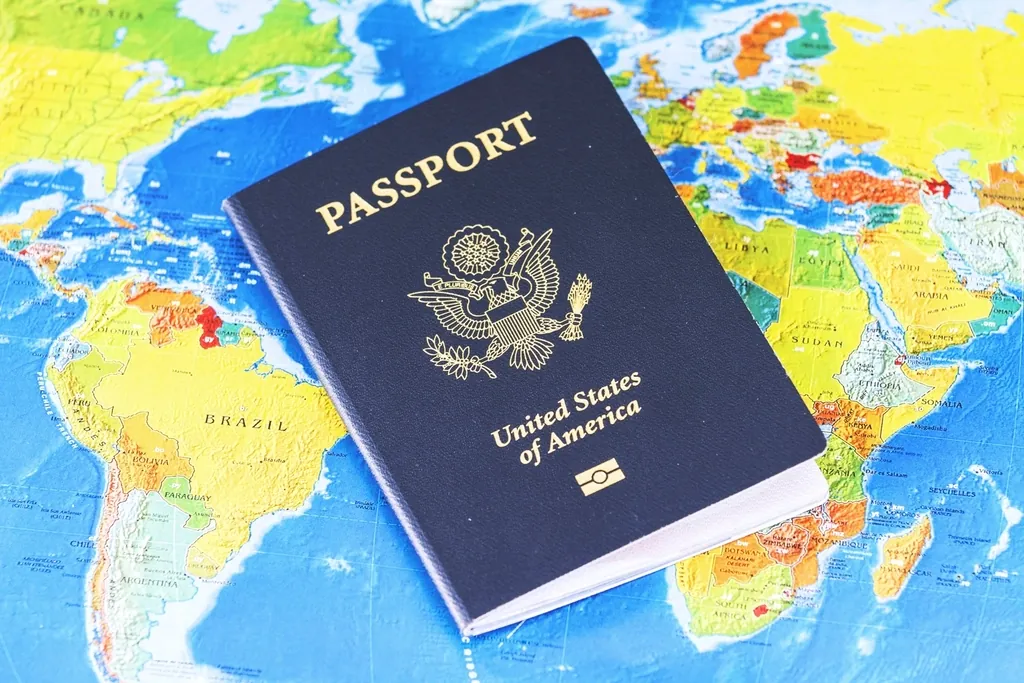
Even on cruises that start and end in the U.S., ports may still ask for a passport.
Start With Your Group, Not the Ship
It is tempting to fall for a ship or a destination first. However, the best way to plan a family cruise is to start with the people on it. Before you look at prices, sit down with everyone and work through these steps:
List the travelers. Write down every person, their age and anything that affects how they travel, such as stairs, naps or a wheelchair.
Set a budget. Decide who pays for what. For instance, grandparents may cover cabins while parents cover excursions.
Pick your dates. School calendars, work schedules and holidays all limit when the whole group can go.
Name the must-dos. Ask each person for one thing that would make the trip special, such as a beach day or a glacier.
Shortlist trips. Only then compare ships, routes and resorts that match your list.
Cruise or Resort: Which Fits Your Family?
Both can make a wonderful family trip, but they feel different. A cruise lets you see several places while you unpack only once. An all-inclusive resort keeps you in one spot, so you spend less time on the move. Here is a quick way to compare them:
Ocean or river cruise
All-inclusive resort
Variety
New ports on many days
One beach, pool and home base
Pace
Set by the ship’s schedule
Set by your group
Getting around
Short walks on board, tours in port
Mostly on the property
Ask about
Excursions, drinks and dining extras
What the package includes and excludes
Tip: Ask for a written list of what each price includes and what costs extra. That way, you compare the full cost of each trip instead of just the starting price.
Sea days give everyone time on board, so check that the ship has something for each age in your group.
Choosing Cabins When You Plan a Family Cruise
Cabin choices shape how the trip feels, especially with three generations on board. First, think about distance. Cabins close together, or connecting rooms, make it easy to gather and to split up for naps. Next, think about walking. Long hallways and far-off elevators can wear out older travelers and small kids.
Here are a few questions to settle before you book:
Can our cabins be close together, or connect?
Does anyone need an accessible cabin or extra space for a wheelchair or walker?
How many people can sleep in each cabin, and how?
Which activities suit kids, teens and adults, and where are they on the ship?
Do any travelers have dietary needs the dining team should know about?
If you have several cabins or firm dates, start early. Then you have a better chance of keeping everyone near each other.
River cruises sail close to towns and cities, which can suit families who enjoy walking tours and history.
What a Travel Advisor Does for a Family Cruise
You can book a simple trip on your own. When you plan a family cruise for a big group, though, there are more moving parts. A travel advisor listens to how your group likes to travel and what you can spend. Then they compare ships, routes, cabin types and dates that fit. Good advisors also stay with you after you book. They can track payment dates, remind you about documents and help if a flight changes.
Every advisor works a little differently, so ask a few questions first:
How are you paid, and will I owe any planning fees?
Which kinds of trips and destinations do you book most often?
What happens if a flight or sailing changes?
How can I reach you while we are traveling?
Clear answers up front help you choose someone whose style fits your family.
Health and Travel Insurance Basics
Health planning matters for every age. The CDC’s page on healthy travel for older adults suggests a visit with a health care provider at least 4 to 6 weeks before you leave. It also notes that cruises are popular with older adults, and that illnesses such as norovirus can spread on ships. So frequent hand washing, especially before you eat, is a simple habit for the whole family.
The CDC’s cruise ship travel advice adds two more points. If someone feels sick before the voyage, they should not travel, and you can ask the cruise line about rescheduling or a refund. Also, anyone prone to seasickness can ask a provider about medicine before the trip.
Travel insurance is easy to skip and painful to need. The CDC’s travel insurance guide describes three main types:
Trip cancellation or disruption insurance protects the money you spent on things like flights and cruises.
Travel health insurance helps pay for medical care during your trip.
Medical evacuation insurance covers emergency transport from a remote area to a hospital that can treat you.
Watch out: The CDC notes that your current health insurance may not cover care in another country. A trip cancellation policy also might not cover medical care abroad. Read the fine print, and check for exclusions such as preexisting conditions.
Passports and Travel Documents
Paperwork trips up more travelers than you might think. According to U.S. Customs and Border Protection, U.S. citizens on a closed-loop cruise can reenter the country with a birth certificate and a government-issued photo ID. A closed-loop cruise starts and ends at the same U.S. port.
Check every traveler’s documents early, because a passport can take time to renew before you sail.
However, the countries your ship visits may still ask for a passport. CBP advises checking with your cruise line to confirm what each traveler needs. Many families bring valid passports anyway, since a passport also helps if someone must fly home early from another country.
If any stop is outside the U.S., consider enrolling in the State Department’s Smart Traveler Enrollment Program, known as STEP. It sends safety and security alerts from the nearest U.S. embassy or consulate, and it makes it easier to reach you in an emergency.
How early should we start to plan a family cruise?
It depends on the trip and the season. Still, if your dates are firm or you need several cabins close together, start early. Booking ahead gives you more choice of cabins and leaves time to sort out passports and insurance.
Is a family cruise a good fit for grandparents?
Often, yes. You unpack once, and meals and entertainment are close by. Even so, ask about walking distances, accessible cabins and medical services on board. The CDC also suggests a provider visit at least 4 to 6 weeks before older adults travel.
Do kids need a passport for a cruise?
CBP says U.S. citizen children under 16 who enter by land or sea need only a birth certificate or other proof of citizenship. However, children who fly need their own passport, and ports may ask for one too. So check with your cruise line, and consider passports for everyone.
Is a travel advisor the same as a travel agent?
Many people use the two terms for the same job. Either way, look for someone who asks about your group’s needs and budget before suggesting a trip, and who explains how they are paid.
How Todd Edmundson Can Help
Todd Edmundson is the founder and lead advisor of KTE Interliner, a cruise-focused travel business in Nutley, New Jersey. He works as an independent advisor with Interliner, a Travel Leaders Network affiliate agency. For more than 15 years, he has found and booked interline cruise rates for airline employees and their eligible family members. He also arranges ocean and river cruises, all-inclusive resort stays, excursions and transfers, with destinations such as the Caribbean, Bermuda, Alaska, Europe and Antarctica.
If someone in your family works for an airline, ask Todd about interline rates. To start planning, visit his profile to call, email or request an introduction. He is part of our Celebrations, Events & Travel team. There you can also find Betsy Zaplin for custom branded apparel and Pamela Licht for dance lessons before a formal night. For more ideas, see our events and travel members.
This article is general information, not legal, medical or insurance advice. Check current travel rules with official sources, and speak with a licensed professional about your situation.





 With Mike & Sue Mignone Party Rentals