7 min read
How to Choose a Realtor in NJ: Questions to Ask Before You Sign
Learn how to choose a Realtor in NJ: build a short list, check the license, ask smart questions and read the agreement…
 With Alicia Acciardi Realtor

Title insurance in NJ protects your ownership of a home. See what owner's and lender's policies cover, when you pay and how NJ closings work.
 Featuring Erika Baldino Title Insurance
October 16, 2026
6 minute read
Featuring Erika Baldino Title Insurance
October 16, 2026
6 minute read

Title insurance in NJ protects your ownership of a home from problems that started before you bought it. Picture this: two years after you move in, a letter arrives about a lien from a contractor the last owner never paid. Without the right policy, that old debt can become your problem. This guide explains what title insurance covers, how the two policies differ and what to expect at a New Jersey closing.
Key takeaways
When you buy a home, the seller signs a deed that transfers ownership, or “title,” to you. However, the records behind that title can hide problems. For example, a past owner may have left property taxes unpaid. In addition, a contractor the owner never paid may file a claim against the house.
The Consumer Financial Protection Bureau explains that an owner’s policy can protect you if someone later sues over a claim from before your purchase. Depending on the policy, coverage may also reach other hidden defects in the public record. Because every policy lists its own exceptions, read yours closely and ask questions before you sign.

There are two main policies, and they protect different people. First, the lender’s policy protects the bank or mortgage company up to the amount it lends. Most lenders require one before they fund a mortgage. Next, the owner’s policy protects you and your stake in the home.
| Owner’s policy | Lender’s policy | |
|---|---|---|
| Protects | You and your equity in the home | The lender, up to the loan amount |
| Required? | Usually your choice | Most lenders require it |
| When you pay | Once, at closing | Once, at closing |
The CFPB notes that a lender’s policy does not protect your equity. So if a claim comes up, that policy covers the loan, not your down payment or the value you have built. That is why many buyers choose to add an owner’s policy. The CFPB also says the total cost is usually lower when you buy both policies from the same provider.
Before closing, a title company or attorney searches the public records tied to the property. The goal is simple: confirm that the seller can pass clear title to you. Here is how the process usually runs:
A typical search looks for items like these:
According to the New Jersey home buying guide from the Department of Banking and Insurance, most purchase contracts depend on a title search. If the search turns up a problem, such as an open mortgage, the parties usually work to clear it before closing.
This coverage works differently from homeowners insurance. Instead of a monthly or yearly bill, you pay a one-time premium at closing. The state guide lists it among the one-time costs of buying a home. Your Loan Estimate and Closing Disclosure will also show the title charges, so compare them as you go.
Tip: The CFPB says you can usually shop for a title provider separately from your mortgage. Ask each provider for an itemized list of fees. That way, you can compare the premium, search fees and settlement charges side by side.
If a number changes near closing, ask why before the big day. Small changes happen, but you deserve a clear answer for each one.
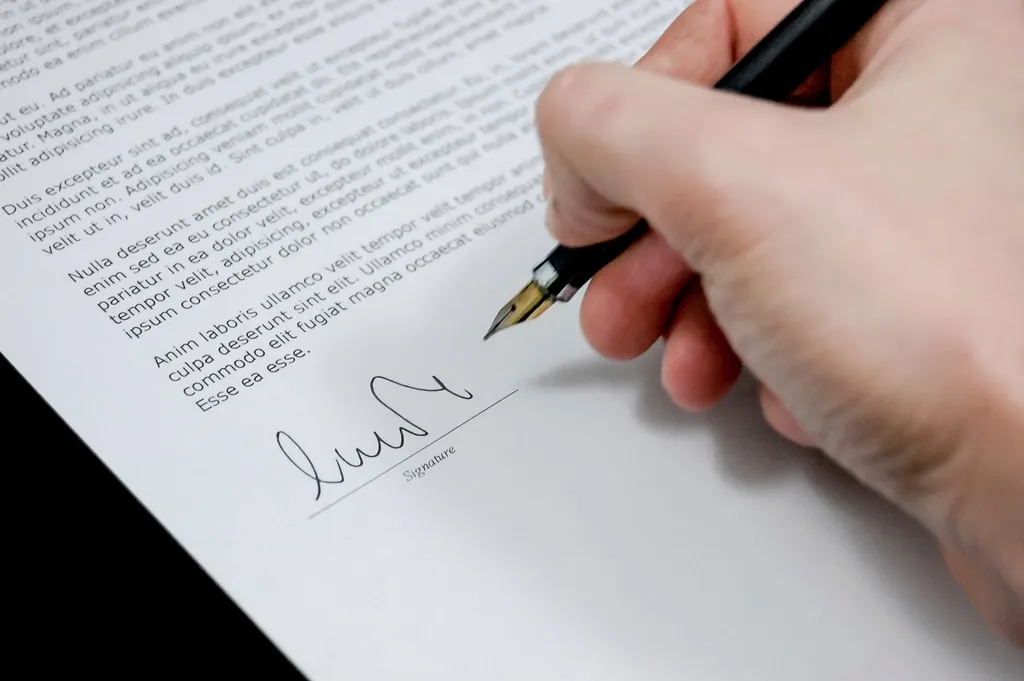
Most closings here happen at a face-to-face meeting. The buyer, seller, agents, attorneys, a title representative and someone from the lender often attend. The meeting may take place at an attorney’s office, a real estate office or a title company.
New Jersey note: At the closing table, the title company often collects and pays out the funds. It may also pay off the seller’s old mortgage and send the new deed for recording. As a result, the public record shows you as the new owner.
Afterward, keep your owner’s policy with your deed and other important papers. If a claim ever comes up, you will want it close at hand.
Real estate investors may face one more step when they sell. Some use a Section 1031 like-kind exchange. It lets them put off tax on the gain when they trade business or investment property for similar property. The rules are strict, so investors usually line up an exchange intermediary before the sale closes. The IRS has taxpayers report each exchange on Form 8824. Talk with your tax advisor before you list the property.
Usually not. Lenders generally require their own policy, while the owner’s policy is often your choice. Even so, it is the only one of the two that protects your own investment in the home.
In many cases, yes. The CFPB says buyers can usually shop for this coverage separately from the mortgage. Your agent or attorney can tell you how the choice works under your contract.
No. It covers ownership problems, not leaks, roof wear or an aging furnace. For the physical condition of the house, rely on an independent home inspection and any tests your inspector suggests.
Erika Baldino is Vice President of Business Development at Kensington Vanguard National Land Services, working from its Parsippany office. She is also an Exchange Director with its affiliate, Legal 1031 Exchange Services. A licensed title producer since 2013, she has closed thousands of residential and commercial title transactions across the country. She has also guided many Section 1031 exchanges for real estate investors.
Through her company, you can get help with residential and commercial coverage, lien searches, settlement, escrow and recording services. To get started, visit her profile to call, email or request an introduction. You can also browse the Buying or Selling a Home team. It brings together members such as Realtor Alicia Acciardi, mortgage broker Kathleen Pennington and real estate attorney Margaret Miller, Esq. For more local professionals, see the Real Estate & Mortgage members.
This article is general information, not legal or tax advice. For advice about your purchase, speak with a licensed title professional or a New Jersey real estate attorney.
Tell us a little about what you need. We will pass it to Erika, who will get back to you directly. No cost, no obligation.
7 min read
Learn how to choose a Realtor in NJ: build a short list, check the license, ask smart questions and read the agreement…
With Alicia Acciardi Realtor
6 min read
A reverse mortgage in NJ lets owners 62 and older borrow against home equity. Learn the rules, required counseling, costs and heir…
 With Michael Potoczak Reverse Home Mortgages
6 min read
Signing a commercial lease in NJ? Learn how tenant representation, site checks and key lease terms work before you commit to a…
 With Nancy Tuckman Commercial Real Estate Services