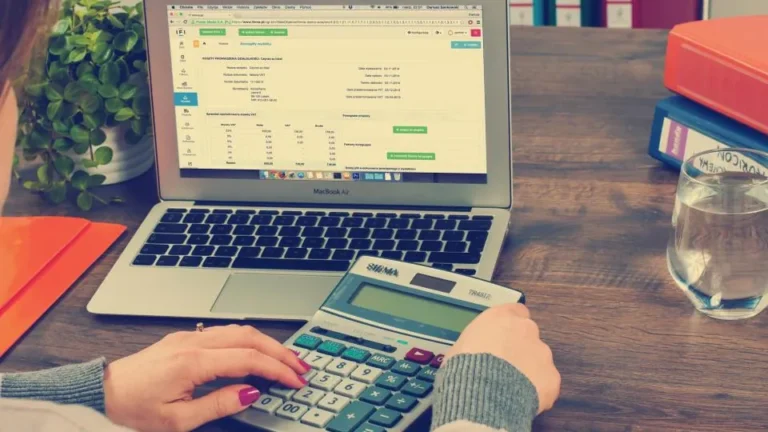
A small business CPA in NJ can look like an extra cost when tax software is so cheap. But picture this: April arrives, and you learn you owe a large bill plus a penalty because nobody set up estimated payments last summer. Software would have filed the return. However, it would not have warned you months earlier. This guide explains what a CPA adds, from entity choice to quarterly estimates, and how to pick the right one.
Key takeaways
Tax software records what already happened, while a CPA helps you plan what happens next.
Your business structure decides which tax return you file and how much personal risk you carry.
If you work for yourself, you generally need to make estimated tax payments during the year.
Clean monthly books make your CPA faster, cheaper and more useful.
Tax Software vs. a Small Business CPA in NJ
Tax software asks questions, fills in forms and sends them. That works well for simple returns. Still, it cannot study your business and tell you what to change before the year ends. It also cannot sit with you when a letter from a tax agency arrives.
Tax software
Small business CPA
Focus
Last year’s numbers
Last year and the year ahead
Entity advice
General help screens
Compares structures for your goals
Tax notices
Mostly up to you
Helps you respond
Cost
Usually lower
Usually higher, with tailored service
The SBA’s guide to managing business finances makes the same trade-off clear. A CPA typically costs more than an online service but can offer service tailored to your business. In short, preparation looks back, while planning looks forward.
What a Small Business CPA Actually Does
The work goes well beyond filling in a return. Most owners lean on their CPA for a mix of these services:
Tax planning. Reviewing income and costs during the year, not just at tax time.
Entity advice. Comparing a sole proprietorship, partnership, LLC or corporation for your goals.
Estimated taxes. Figuring quarterly payments so a big bill does not catch you off guard.
Financial statements. Preparing statements that a bank or partner may ask to see.
Notices. Helping you answer when the IRS or the state sends a letter.
The right mix depends on your size and plans. For example, a new consultant may only need help with estimates. A growing company, on the other hand, may need reviewed statements before it applies for a loan.
If you like to learn the basics first, the IRS offers a free set of online lessons for owners. They cover federal taxes, filing electronically and payroll, so your first meeting with a CPA can go deeper.
Your entity choice shapes your taxes, your paperwork and your personal risk. The IRS explains that your form of business decides which income tax return you file. The SBA adds that structure also affects how you raise money and how much personal liability you carry. You can switch later, but the SBA warns that a change may bring tax consequences.
That is why many owners talk with an accountant and an attorney before they form the company. A CPA can show how each option might affect your tax bill, so you choose with real numbers in front of you.
New Jersey note: Eligible partnerships, S corporations and certain LLCs can elect to pay the state’s Pass-Through Business Alternative Income Tax at the entity level. Owners then claim a credit on their own returns. The election is made each year, and the Division of Taxation notes that owners may still need personal estimated payments.
Quarterly Estimated Taxes Without the Guesswork
When you work for yourself, no employer holds back tax from your pay. Instead, the IRS says people in business for themselves generally need to make estimated tax payments. The year has four payment periods. If you pay too little or too late, you may owe a penalty even when you are due a refund.
Here is how a CPA usually sets up and manages your estimates:
Start with last year. The IRS suggests using your prior-year return as a guide for the new year’s figures.
Project this year. Your CPA estimates income, deductions and credits based on your current sales.
Set the schedule. You get an amount for each payment period, and you can pay more often if that is easier.
Adjust as you go. If sales rise or fall, your CPA refigures the next payment so you stay on track.
Put each estimated tax payment period on your calendar, and ask your CPA to update the amounts as sales change.
The Bookkeeping Handoff
Good tax work starts with good books. Many businesses use both a bookkeeper and a CPA. The bookkeeper keeps records current each week. Then the CPA reviews them and handles taxes and planning.
To make the handoff smooth, agree on a few simple habits:
Keep business and personal accounts separate.
Match bank and card statements to your books each month.
Store receipts and invoices in one shared place.
Send year-end reports early, not the week of a deadline.
Tip: Clean books save your CPA time. In turn, saved time usually means a smaller bill and faster answers for you.
Receipts filed each week make the year-end handoff to your CPA quicker and cheaper.
How to Choose a CPA for Your Small Business
Not every paid preparer brings the same training. The IRS notes that preparers range from certified public accountants and enrolled agents to people with no professional credential. Its page on choosing a tax professional also points to a directory of preparers with credentials.
Watch out: The IRS says anyone with a Preparer Tax Identification Number can prepare returns for pay. So ask about credentials before you hand over your records.
Before you hire a small business CPA in NJ, ask a few practical questions:
Do you work with businesses like mine?
Will you help me plan during the year, or only at tax time?
Who answers my questions, and how fast?
How do you set your fees?
Clear answers tell you a lot about how the relationship will work once tax season starts.
Write down your questions before you meet a CPA, including how they plan, communicate and set fees.
Small Business CPA in NJ: Questions Owners Ask
Does every small business need a CPA?
Not always. A very simple business may do fine with software for a while. However, once you hire staff, add income streams or plan to borrow, a CPA’s advice is often worth the cost, because planning can change the result.
When is the best time to hire a CPA?
Ideally, before you form the business or well before the year ends. That way, planning can still change the outcome instead of just reporting it. Mid-year is also a good time to check your estimated payments.
Can a CPA help if I already filed with software?
Yes. A CPA can look over past returns, help you answer a notice and set up a better process for next year. Bring copies of what you filed and any letters you received.
What does a small business CPA in NJ need from me?
Usually your prior returns, current financial statements, bank and card statements, payroll reports and any notices. Your CPA may also ask about big plans, such as hiring, borrowing or buying equipment, since those can affect your taxes.
How Larry Wefferling, CPA Can Help
Larry Wefferling, CPA is a founding member of Wefferling & Company CPAs, LLC in Caldwell. The firm provides tax, accounting and consulting services to businesses, individuals and estates. Its work includes business and individual tax returns, tax planning, estate and trust tax work, and audits, reviews and compilations for privately held companies.
Larry is a Nichols College graduate. He is also active in town with the Rotary Club of the Caldwells and the North Caldwell Volunteer Fire Department. If you want a plan for the year ahead, visit his profile to call, email or request an introduction.
This article is general information, not tax, legal or accounting advice. For advice about your situation, speak with a licensed CPA or a tax attorney.







 With Steve Bender Life Insurance