7 min read
How to Choose a Realtor in NJ: Questions to Ask Before You Sign
Learn how to choose a Realtor in NJ: build a short list, check the license, ask smart questions and read the agreement…
 With Alicia Acciardi Realtor

A reverse mortgage in NJ lets owners 62 and older borrow against home equity. Learn the rules, required counseling, costs and heir options.
 Featuring Michael Potoczak Reverse Home Mortgages
October 16, 2026
6 minute read
Featuring Michael Potoczak Reverse Home Mortgages
October 16, 2026
6 minute read
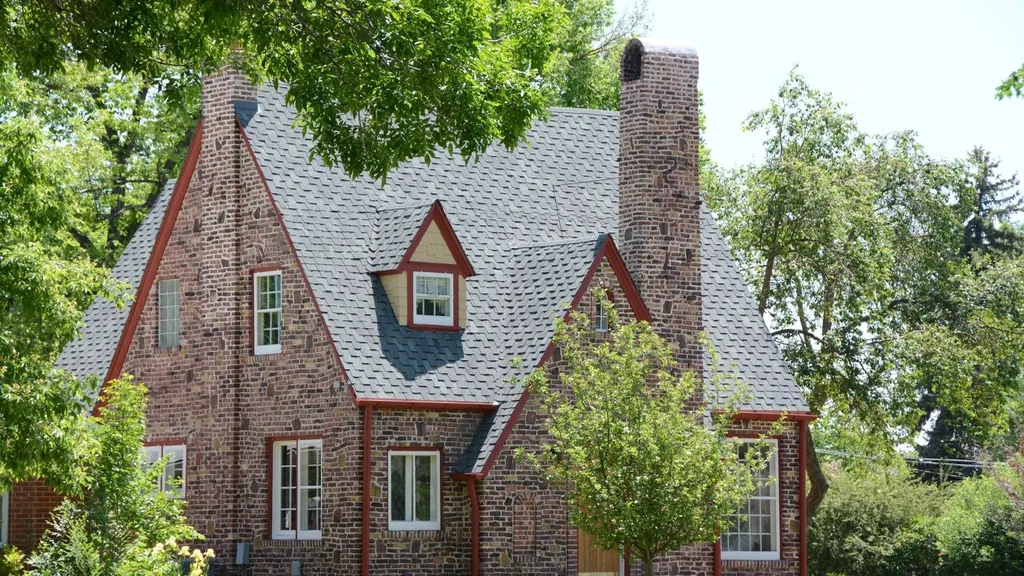
A reverse mortgage in NJ lets you borrow against your home’s equity without making monthly mortgage payments. That sounds simple, but a common and costly mistake is to treat it like free money. The Consumer Financial Protection Bureau says plainly that it is not, because interest and fees grow the balance every month. This guide explains how the loan works, who qualifies, what it costs and what your family should know before you decide.
Key takeaways
The most common type is the Home Equity Conversion Mortgage, or HECM. According to the CFPB’s reverse mortgage basics, a HECM is only for homeowners who are 62 and older. Like a regular mortgage, it uses your home as security for the loan, and the title stays in your name.
The big difference is how you repay it. Instead of paying down a balance each month, you make no monthly mortgage payments. Meanwhile, interest and fees go onto the loan balance, so the amount you owe goes up while your equity goes down. The loan comes due when the borrower no longer lives in the home. In most cases, the borrower or the heirs repay it by selling the house.
 Play video: The Consumer Financial Protection Bureau explains how reverse mortgages work and what to weigh before you apply.
Age is only the first test. The CFPB lists the other HECM requirements, and you should be able to check every box:
After closing, those duties continue. You must keep paying property taxes and homeowners insurance, live in the home and keep it in good condition. So plan for those bills before you apply.
New Jersey note: Property taxes keep coming even when a reverse mortgage in NJ has no monthly payment. The state offers property tax relief programs, including Senior Freeze, ANCHOR and Stay NJ. Senior homeowners file one combined application, Form PAS-1, so check whether you qualify.

Counseling is not a formality. A HUD-approved counselor talks with you about your eligibility, the financial effects of the loan and other options you might use instead. Bring a trusted family member if you can. From there, the process usually runs like this:
The CFPB says a reverse mortgage is typically more expensive than other home loans. Its page on reverse mortgage costs splits the charges into two groups:
| Upfront costs | Ongoing costs | |
|---|---|---|
| To the lender | Origination fees | Interest and servicing fees |
| To the FHA | Initial mortgage insurance premium | Annual mortgage insurance premium |
| To others | Closing costs, such as an appraisal, title search and recording fees | Property taxes and homeowners insurance |
You can pay upfront costs in cash or from the loan itself. Still, using loan money for fees leaves you less to spend. Because ongoing costs are added to the balance each month, the CFPB says the best way to keep them low is to borrow only as much as you need.

Families weighing a reverse mortgage in NJ often have questions about this part. The CFPB explains that a HECM becomes due after the death of the last borrower, coborrower or eligible nonborrowing spouse. Its page on what heirs can do describes their choices.
To keep the home, heirs must pay the full loan balance. To sell it, they must repay the balance, or at least 95 percent of the appraised value if they owe more than the home is worth. In addition, heirs have 30 days after a due and payable notice to act. That timeline might be extended up to six months so they can sell or get their own loan. So talk with your children now, and consider meeting with an estate planning attorney.
A reverse mortgage in NJ is one tool among several. Before you commit, the CFPB suggests you also look at:
Watch out: Be careful with any contractor who approaches you about a reverse mortgage to pay for repairs. The CFPB warns that it may be a scam. It also points out that the Department of Veterans Affairs does not offer reverse mortgage loans. Never let anyone rush you into signing.
Yes. The title stays in your name, just as it does with a traditional mortgage. However, you still handle property taxes, homeowners insurance and upkeep, and you must live in the home as your principal residence.
With most reverse mortgages, yes, for a short time. The CFPB explains that you generally have three business days after closing to cancel for any reason. Send your notice in writing by certified mail, and keep copies of everything.
Not if they sell it. According to the CFPB, heirs can pay off the loan by selling the home for at least 95 percent of its appraised value. The mortgage insurance paid during the loan covers the rest. To keep the home, though, they must repay the full balance.
Michael Potoczak is a loan officer with Embrace Home Loans, working from the company’s Basking Ridge, New Jersey branch. He holds licenses in New Jersey, New York and Florida and has about ten years in the mortgage business. He pre-approves borrowers, originates purchase and refinance loans, and walks clients through program choices, including FHA, VA and USDA financing.
If you are weighing your options, including a traditional refinance, visit his profile to call, email or request an introduction. Ask him directly which loan programs fit your situation. Michael is part of our Caring for an Aging Parent referral team. There you can also meet elder law attorney Frank R. Campisano, Esq., financial advisor John O’Hara and home care professional Raquel Marte. For more local professionals, see the Real Estate & Mortgage members.
Michael Potoczak, NMLS #966993. Embrace Home Loans, Inc. NMLS #2184. Equal Housing Opportunity.
This article is general information, not financial, tax or legal advice, and not a loan offer or rate quote. Loan terms vary by lender. For advice about your situation, speak with a HUD-approved counselor and a licensed professional.
Tell us a little about what you need. We will pass it to Michael, who will get back to you directly. No cost, no obligation.
7 min read
Learn how to choose a Realtor in NJ: build a short list, check the license, ask smart questions and read the agreement…
With Alicia Acciardi Realtor
6 min read
A mortgage pre-approval in NJ shows sellers you can likely get a loan. See how it differs from pre-qualification and which papers…
 With Kathleen Pennington Mortgage Broker
6 min read
Title insurance in NJ protects your ownership of a home. See what owner's and lender's policies cover, when you pay and how…
 With Erika Baldino Title Insurance