Promotional products for small businesses work best when people actually keep and use them. Picture this: you hand out 500 cheap pens at a community fair, and a week later most of them sit forgotten in junk drawers. Meanwhile, the business at the next table gave away sturdy water bottles that now show up at desks and gyms all over town. This guide shows you how to choose branded items people keep, set a realistic budget, plan lead times and follow the IRS rules on business gifts.
Key takeaways
Start with the person who will receive the item, not with the product catalog.
Quality matters, because the item reflects on your brand every time someone uses it.
Ask for quotes that include setup fees, imprint colors and shipping.
Work backward from your event date, and check every proof before you approve it.
The IRS generally caps business gift deductions at $25 per person each year, with exceptions for low-cost imprinted items.
Why Promotional Products Work for Small Businesses
Most marketing reaches people once. An ad runs, a post scrolls by, and the moment passes. A useful branded item, however, can stay on a desk, in a car or in a kitchen for a long time. Each time someone reaches for it, they see your name again.
These items also feel personal. A good jacket or a solid tumbler says you value the person who receives it. As a result, a small gift can open a conversation, support a referral relationship or thank a loyal client. Still, it works best as one part of a wider plan, not as your whole marketing effort.
Branded items shape how people see you, too. The Small Business Administration points out that simple details, like your staff uniform, contribute to your customer’s experience. That experience can decide whether a customer stays loyal or tells friends to stay away.
A clean, simple imprint is easy to read at a glance. Crowded designs tend to get lost on small items.
Start With the Person, Not the Product
The best promotional products for small businesses are the ones your audience will use. A cheap gadget that breaks in a week can leave the wrong impression. So before you browse a catalog, answer a few questions:
Who will receive it: customers, prospects, employees or event guests?
Where will they use it: at work, at home, outdoors or on the go?
Does it connect to what you do? A landscaper might choose seed packets, while a fitness studio might choose water bottles.
Will the quality reflect well on your brand?
Is your logo easy to read on it, even from a few feet away?
Tip: Keep the design simple. A clean logo with your website or phone number usually reads better than a crowded layout. Also, have a high-quality logo file ready, since your supplier may ask for a vector format.
Popular Promotional Products by Goal
Small businesses get the most from promotional products when each item fits a clear goal. This quick guide matches common goals with items that fit them:
Your goal
Items to consider
Why they work
Team and event visibility
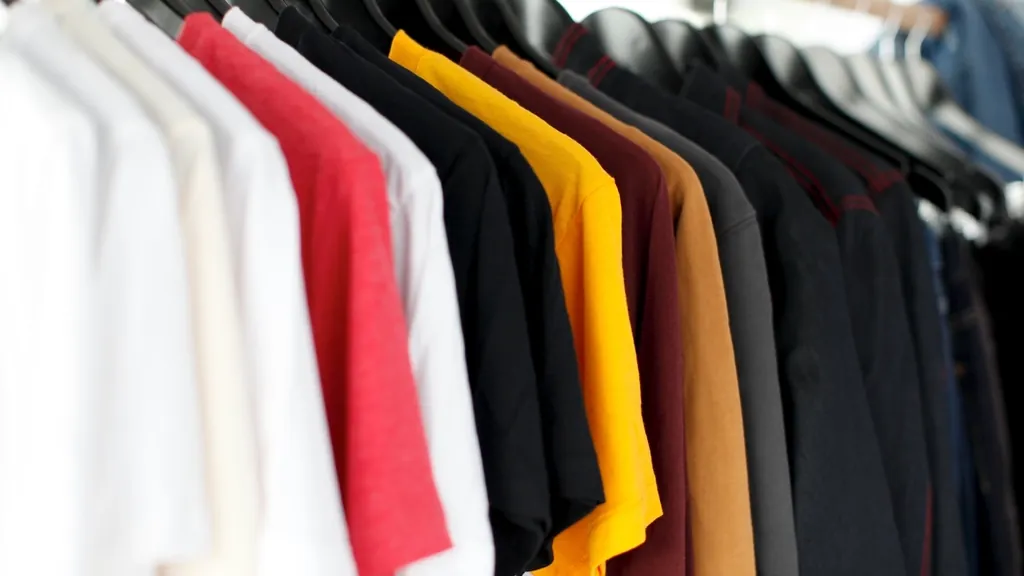
T-shirts, hats, jackets
People wear your name in public
Client thank-you
Drinkware, quality pens, desk items
Daily use keeps you top of mind
Trade show traffic
Tote bags, small handouts
Visitors carry them around the room
Employee recognition
Apparel, bags, tech accessories
A useful reward people are proud to use
At a trade show or community fair, save higher-value gifts for serious prospects you plan to follow up with. Meanwhile, low-cost handouts can draw people to your table without draining the budget.
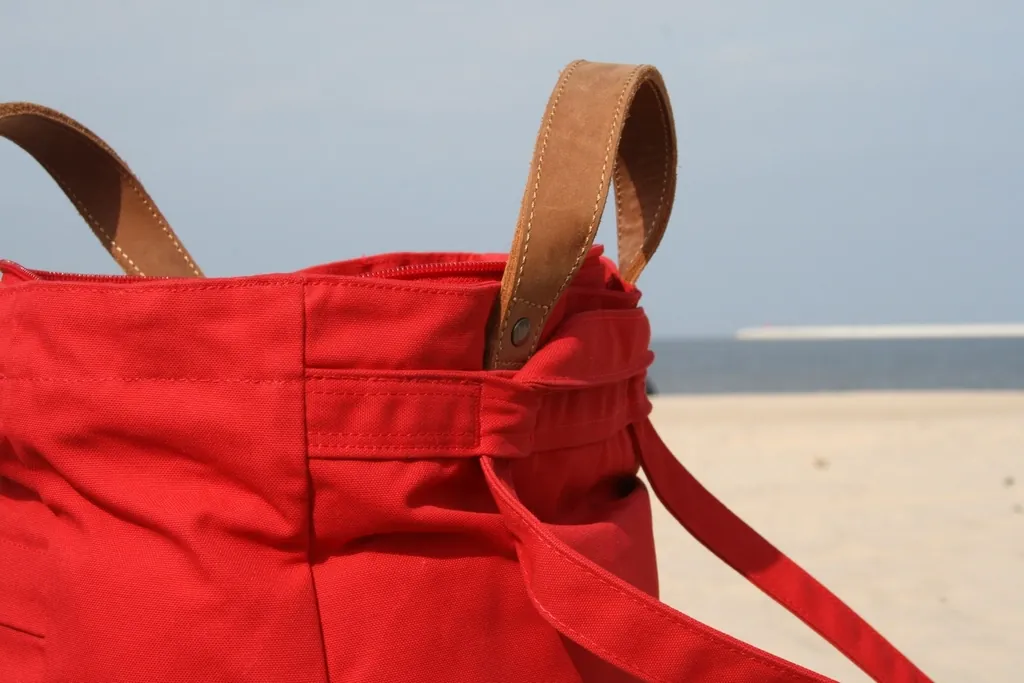
A sturdy tote travels with its owner, which keeps your name in view at events, stores and summer outings.
Setting a Small Business Budget for Promotional Products
Start with a total amount, then decide how to split it. For example, you might spend a little per person on a large handout and more per person on a short list of top clients. Unit prices often drop as order size rises. Even so, do not order more than you can use, because extra stock ties up cash and storage space.
Ask each supplier to include every cost in the quote. Setup fees, imprint colors, extra logo locations and shipping can all add up. That way, you can compare options fairly and avoid surprises on the final invoice.
Then track what the spending brings back, since small businesses need every promotional product to earn its place. The SBA suggests comparing your marketing costs to the revenue they generate. It also notes that some tactics are hard to measure, so the key is to measure the same way every time. For instance, put a special web address or code on event handouts, and ask new customers how they heard about you.
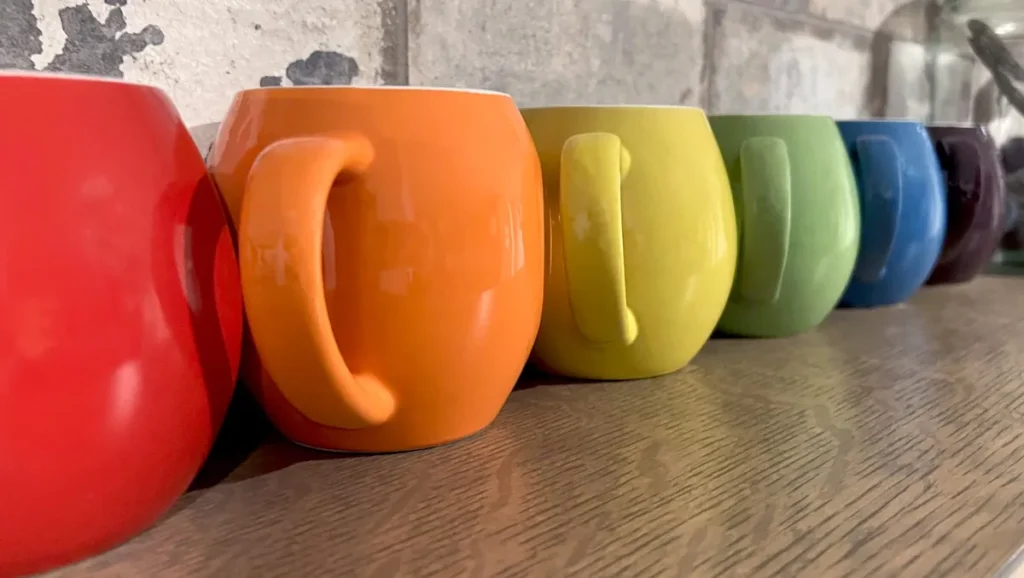
Product colors, imprint colors and logo locations can all change the price, so ask for a quote that lists each one.
Plan Ahead for Lead Times and Proofs
Custom items take longer than off-the-shelf goods, and busy seasons can slow things down. So work backward from your event date and ask your supplier for a realistic timeline before you commit. Most orders follow these steps:
Choose the item. Pick the product, colors and quantity, and confirm the price in writing.
Send your artwork. Provide a high-quality logo file in the format your supplier requests.
Review the proof. Check spelling, colors, size and placement. A careful approval saves a costly reprint.
Production and shipping. Once you approve the proof, production begins. Confirm the ship date and delivery address.
Check the delivery. Open the boxes as soon as they arrive, so there is time to fix a problem before the event.
Watch out: The most common mistakes are picking an item only because it is cheap, ordering too late and using a logo file that prints blurry. Giving the same item to every audience, even when their needs differ, also wastes budget.
IRS Rules for Client Gifts and Employee Rewards
If you give items to clients, it helps to know the federal gift rules. According to IRS Publication 463, you can generally deduct no more than $25 for business gifts to each person during your tax year. Incidental costs, such as packaging and mailing, generally do not count toward that limit.
However, some branded items are treated differently. An item that costs $4 or less is not counted as a gift under the limit when your name is clearly and permanently imprinted on it. It must also be one of many identical items you hand out widely, such as pens. In addition, signs and display racks meant for use at the recipient’s business are not counted as gifts.
Gifts to employees follow other rules. IRS Publication 15-B lists low-value holiday or birthday gifts, other than cash, as examples of tax-free de minimis benefits. On the other hand, gift cards and other cash equivalents never qualify, no matter how small. Rules can change, so check with your tax professional about your own situation.
Promotional Products for Small Businesses: Common Questions
How much should a small business spend on promotional products?
There is no set amount. Start with your total marketing budget and the goal of the order, then decide how many people you want to reach. Spend more per person on key clients, and keep handouts for large crowds simple and inexpensive.
Which branded items do people keep the longest?
Items people use every day tend to stay in view, such as drinkware, quality pens, tote bags and comfortable apparel. The right choice still depends on your audience, so think about where and how they will use it.
How far ahead should I order for an event?
Ask your supplier for a realistic timeline before you commit, then work backward from your event date. Leave time for the proof, production, shipping and a final check, and allow extra time during busy seasons.
Are client gifts tax deductible?
Often, up to a limit. IRS Publication 463 generally caps the deduction at $25 per person per year, with exceptions for widely distributed imprinted items costing $4 or less. A tax professional can tell you how the rules apply to you.
How Betsy Zaplin Can Help
Betsy Zaplin represents Zapgo, a promotional products distributor based in Livingston, New Jersey. Zapgo is a member of the Advertising Specialty Institute and sources logo merchandise from more than 3,000 suppliers. Its range includes branded apparel, bags and totes, drinkware, writing instruments and tech products, plus employee recognition and holiday gifts. Businesses and organizations work with the company to put their brand on everyday items that help them build lasting customer relationships.
To plan your next order, visit Betsy’s profile to call, email or request an introduction. You can also explore the Starting or Growing a Business team, which includes media marketing professional Mindy Clements and digital marketing professional Moshe Zchut. Planning a company party or event? See the Celebrations, Events & Travel team as well.
This article is general information, not tax or legal advice. For advice about your business, speak with a licensed tax professional.


 With Devindra Samaroo CRM, AI Integration and Automation