Outsourced payroll in NJ lets you hand the math, deposits and filings to an outside provider, but not the final responsibility. Picture this: your provider misses a federal tax deposit, and the penalty notice arrives with your company’s name on it. According to the IRS, the employer stays ultimately responsible for those taxes. This guide explains what a provider handles, what stays your job and how to choose one with confidence.
Key takeaways
A provider can figure pay, deposit payroll taxes and file returns for you.
You remain responsible for federal employment taxes, even when someone else pays them.
New Jersey employers also file quarterly state reports, the NJ-927 and WR-30.
Enroll in EFTPS yourself, so you can confirm every federal deposit.
Keep your own copies of payroll records for at least four years.
What Outsourced Payroll Usually Covers
Every provider is a little different. Still, the IRS notes that third-party payroll services can streamline operations and help you meet filing and deposit deadlines. Most services include these core tasks:
Figuring gross pay, deductions and net pay each pay period
Paying employees by direct deposit or check
Withholding and depositing payroll taxes
Filing quarterly and annual tax returns
Preparing year-end forms, such as W-2s
Many providers also offer HR tools, such as time tracking and benefits support. So you can start with payroll alone and add more later. Before you switch, gather your payroll history, tax account numbers and employee details, so the provider starts with accurate data.
Federal Payroll Taxes and Filings
Payroll looks simple until you see the tax side. The IRS guide to understanding employment taxes explains that employers generally must withhold federal income tax from wages. They must also withhold Social Security and Medicare taxes and pay the employer share of those taxes.
On top of that, employers pay federal unemployment tax from their own funds. They file returns such as Form 941 or Form 944, plus Form 940. At year end, they give each employee a Form W-2. Because each item has its own rules and deadlines, small errors can turn into penalties.
Deposits follow their own rules, too. The IRS says federal tax deposits must be made by electronic funds transfer, and the deposit schedule depends on your business and how much you withhold. In addition, employers that file 10 or more Forms W-2 in a calendar year must file them electronically. A provider tracks these rules for you, so each deposit and form goes out on time.
Federal and state payroll deadlines run on different calendars, so ask your provider for a list of both.
New Jersey Adds Its Own Layer
State duties come next. The Department of Labor explains on its employer accounts page that businesses register with both the Division of Taxation and the Department of Labor. Employers then file the NJ-927 and WR-30 each quarter. The state also runs unemployment and temporary disability insurance programs, so your payroll covers more than income tax.
New Jersey note: The state’s rate and due date page says the NJ-927, the WR-30 and any payment must be received by the 30th day of the month after the quarter ends. No extension is given when that day falls on a weekend or holiday.
In other words, a New Jersey employer tracks federal and state calendars at the same time. A good provider keeps both calendars for you and files on time.
What Stays Your Responsibility With Outsourced Payroll in NJ
Handing off the work does not hand off the liability. The IRS page on outsourcing payroll duties is clear on this point. If the provider fails to pay, the IRS may charge penalties and interest to the employer’s account. These steps help you protect yourself:
Enroll in EFTPS. Register for the free federal tax payment system with your own PIN.
Check your deposits. Log in from time to time and compare the payment history with your payroll reports.
Keep your own address. Leave your business address on file with the IRS, so notices reach you.
Act on red flags. Treat even one missed or late payment as a reason to call your provider right away.
Save your records. The IRS recordkeeping guide says to keep all employment tax records for at least four years.
Watch out: The IRS strongly suggests that you do not change your address of record to the provider’s address. Otherwise, you may never see a notice about your own business.
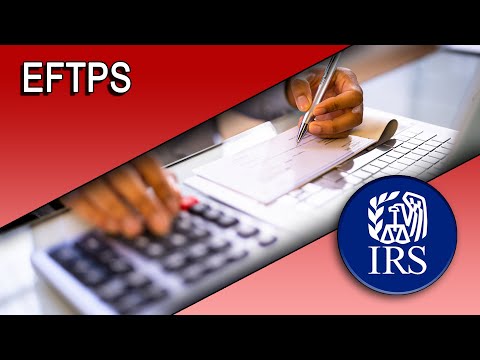
This short IRS video shows how to monitor a provider’s federal deposits online:
Both paths can work. The table shows where the work and the responsibility sit in each case:
In-house payroll
Outsourced payroll
Pay calculations
You or your software
The provider
Deposits and filings
You
The provider, on your behalf
Your time each pay period
Higher
Lower
Responsibility for the taxes
You
Still you
Outsourced payroll in NJ often makes sense when one or more of these is true:
You are hiring your first employees and want it done right from day one.
Payroll eats several hours of your week.
You have received a tax notice or paid a late penalty.
Your team is growing, and HR tasks are piling up.
On the other hand, a very small team with simple pay may manage well with good software and a careful owner.
As your team grows, HR tasks grow too. Bundled time and benefits tools can cut double entry.
Questions to Ask a Payroll Provider
A short interview tells you a lot. Before you sign, ask each provider these questions:
Which federal and New Jersey filings do you handle?
Do you make federal deposits through EFTPS, so I can check them?
How do you fix errors, and who pays any penalty you cause?
Can my accountant get reports directly?
Which HR tools are included, and which cost extra?
HR tools deserve a close look, too. For example, time and attendance systems can feed hours straight into payroll. Benefits tools can track deductions for health plans and retirement accounts. These extras cut double entry, but only pay for what you will use.
Save copies of payroll reports and tax filings each quarter, even when a provider keeps them online.
Outsourced Payroll in NJ: Questions Employers Ask
Is outsourced payroll only for larger companies?
No. Many providers build plans for small businesses, including companies with only a few employees. In fact, a first hire is a natural time to start, because you can set up federal and state accounts correctly from day one.
Will I lose control over payroll?
No. You still approve hours, pay rates and changes before each run. The provider handles the processing and filings. Meanwhile, you can watch federal deposits yourself through your own EFTPS account.
Who is liable if my payroll provider misses a tax payment?
Generally, you are. The IRS says the employer is ultimately responsible for depositing and paying federal employment taxes. If a notice arrives that you think a provider caused, the IRS advises contacting it as soon as possible.
Does outsourced payroll in NJ cover state filings?
It depends on the provider and the plan, so never assume. Ask for a written list of every federal and New Jersey filing they will make for you, including the quarterly NJ-927 and WR-30.
How Paul Fetherston Can Help
Paul Fetherston works with Asure Software, Inc., a provider of payroll and human resources solutions built for small and midsize businesses. Through Asure, employers can use payroll processing, HR management, time and attendance, benefits administration and HR compliance support.
Employers can run these functions in-house or hand them off to Asure’s team through its managed payroll and HR service. Asure also partners with CPAs, accountants and benefit brokers who serve business clients. To compare your options, visit his profile to call, email or request an introduction.
This article is general information, not tax, legal or accounting advice. For advice about your situation, speak with a licensed CPA or another qualified tax professional.







 With Devindra Samaroo CRM, AI Integration and Automation