6 min read
Commercial Loan in NJ: How to Prepare a Strong Application
Applying for a commercial loan in NJ? See the documents lenders ask for, how they weigh cash flow and collateral, and when…
 With Diane Leva Commercial Lender

Homeowners insurance in NJ covers your house, belongings and liability, but not floods. See the six coverages, common gaps and add-ons.
 Featuring Justin Gervasio P&C Insurance
October 16, 2026
7 minute read
Featuring Justin Gervasio P&C Insurance
October 16, 2026
7 minute read
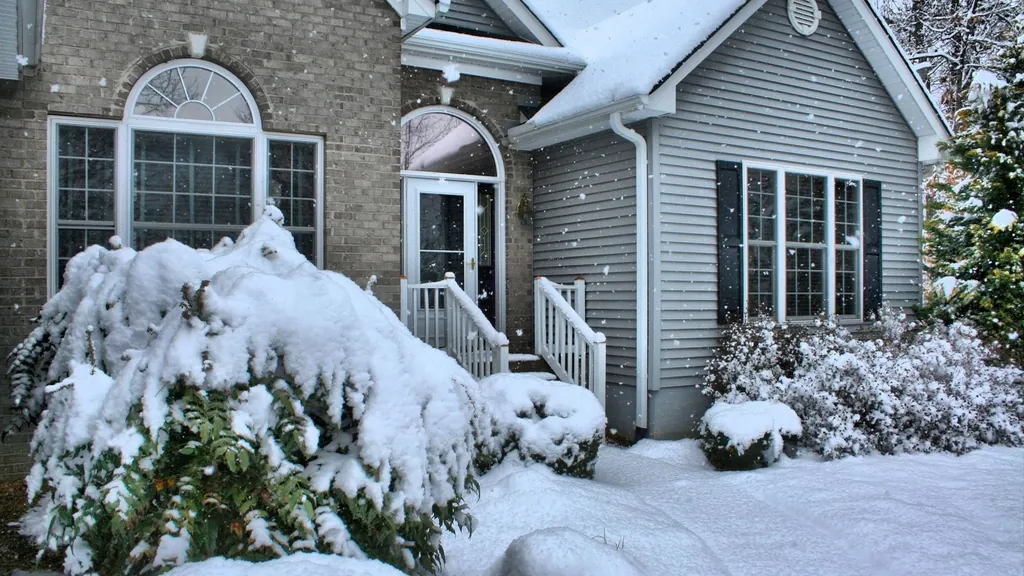
Homeowners insurance in NJ protects your house, your belongings and your savings when something goes wrong. Picture this: a heavy storm pushes water into your basement, and you call your insurer, only to learn that your policy excludes flooding. Moments like that are why it pays to know your coverage before you need it. This guide explains what a typical New Jersey policy covers, what it leaves out and how to close the gaps.
Key takeaways
The New Jersey Department of Banking and Insurance (DOBI) publishes a one-page model policy summary. It says most homeowners policies in the state include six common coverages. Each one has its own limit, so your declarations page matters as much as the policy name.
| Coverage | What it pays for |
|---|---|
| Dwelling (A) | Damage to your house from a covered loss |
| Other structures (B) | Detached garages, sheds and fences |
| Personal property (C) | Furniture, clothing, appliances and other belongings |
| Loss of use (D) | Extra living costs if you must move out during repairs |
| Personal liability (E) | Your defense if someone sues over an injury or damage you caused |
| Medical payments (F) | Medical bills for people hurt on your property |
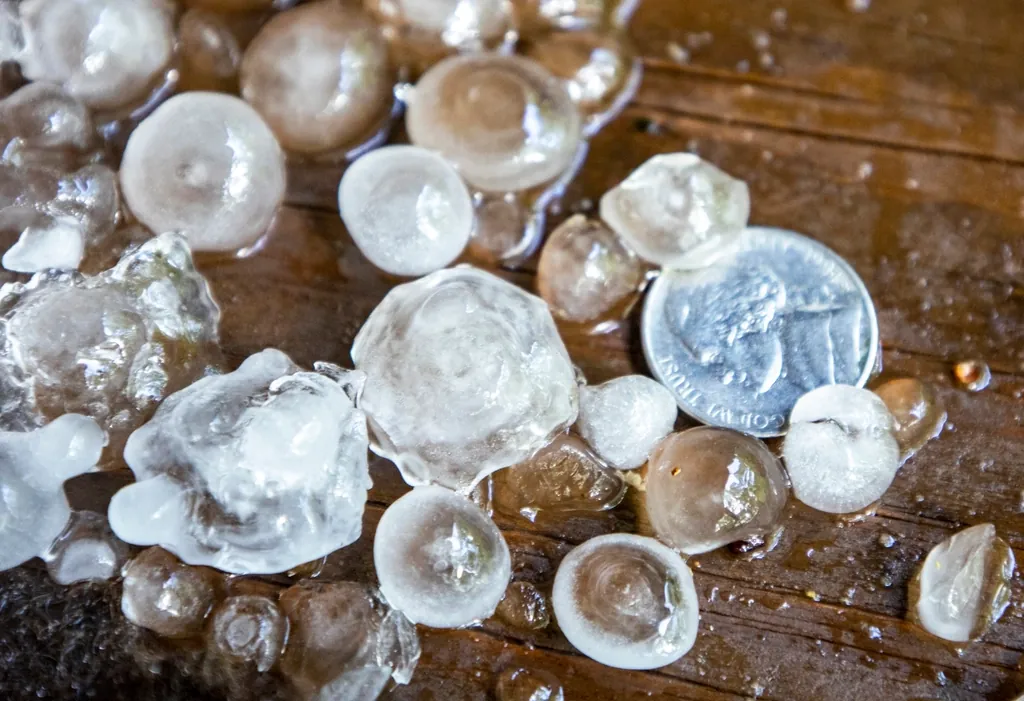
Medical payments coverage can reach beyond your yard, too. For example, the summary notes it might pay if your dog bites someone at the park. Meanwhile, the summary lists many causes of loss that policies usually cover. These include fire and lightning, theft, vandalism, windstorm or hail, and the weight of ice, snow or sleet.
Every policy has exclusions, and they differ from company to company. According to the same state summary, common ones include:
Watch out: Policies usually pay for sudden and accidental water damage, but not for seepage that goes on and on. A pipe that bursts without warning is a very different claim from a drip under the sink that runs for months. So fix small leaks early.
Frozen pipes deserve a note too. The summary excludes freezing damage unless the water was shut off or the building was heated. Likewise, coverage can stop if your house sits vacant longer than your policy allows. So before a long winter trip, keep the heat on and read the vacancy rules.
New Jersey note: DOBI’s homeowner insurance page states that all homeowners policies exclude water damage caused by flood. For that protection, you need a separate flood policy, either from FEMA’s program or from a private flood insurer.
The National Flood Insurance Program (NFIP) offers policies for homeowners, renters and businesses in participating communities. According to FloodSmart.gov, you typically buy building and contents coverage separately, and each one carries its own deductible. In addition, NFIP rates reflect your property and its location, and they do not vary from one insurance provider to another.
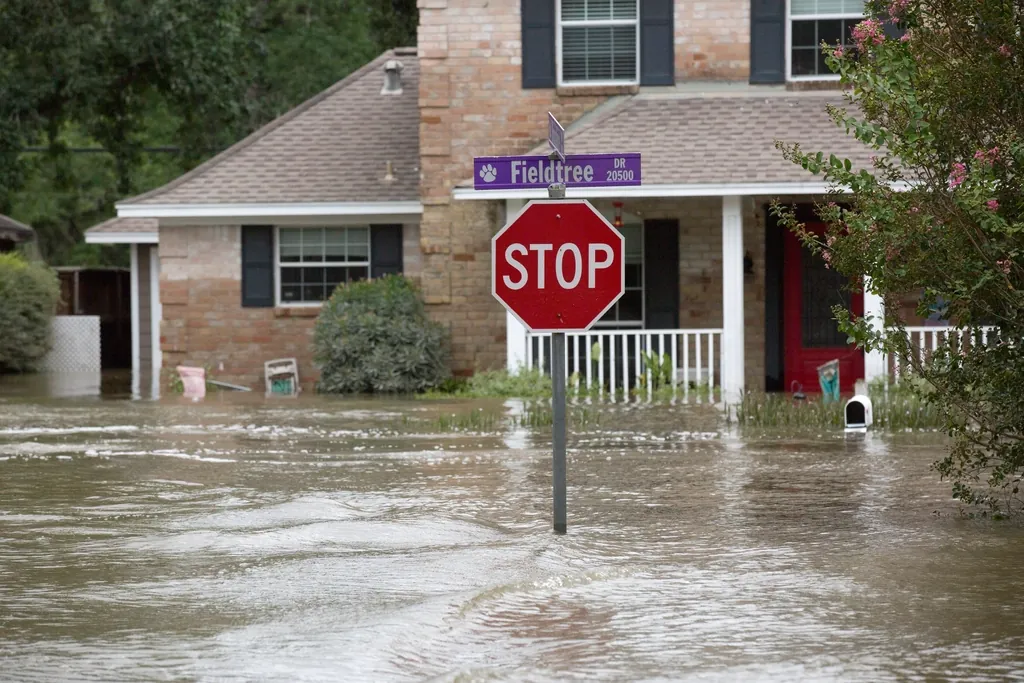
Timing matters as well. FloodSmart says a new policy generally takes effect 30 days after you buy it. There are exceptions, such as buying flood coverage when you take out, extend or renew a mortgage. Still, the safe move is to ask about flood before storm season, not when a storm is already in the forecast.
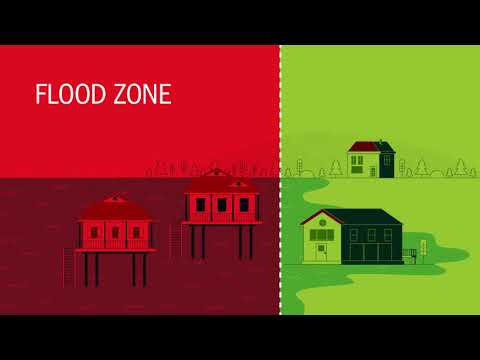 Play video: FEMA's Flood Insurance Advocate explains flood risk and where to find flood hazard maps for your area.
Every policy has an all-peril deductible, which is the share of a covered property loss you pay yourself. In addition, some policies carry a separate wind and hail deductible or a hurricane deductible. Ask how each one works before storm season, because a storm claim can cost you more than you expect.
Companies may also offer add-ons that fill common gaps. The state summary mentions these options:
Tip: Ask your agent to explain each add-on in plain words, including its cost and its limit. Then decide which gaps matter for your house, such as a finished basement with a sump pump or an older oil tank.
Not everyone needs a full homeowners policy. DOBI also publishes model summaries for condo and renters policies. Since June 2015, New Jersey consumers who buy or renew a policy receive a one-page summary of its coverages and exclusions.
A condo policy covers property permanently installed in your unit that the association’s policy does not cover. It also protects your belongings, extra living costs and liability. The condo summary lists loss assessment among the optional coverages, so ask about it too.
A renters policy, on the other hand, focuses on your belongings, extra living costs and liability. Ask your landlord what their policy covers, and never assume it includes your things.

DOBI encourages you to shop around, since companies vary greatly in price and service. Its Home Insurance Basics page also lists what an agent will ask for. A little prep goes a long way:
Watch out: DOBI notes that there is no grace period for late homeowners premiums. If a payment is late, your insurer can end your coverage. Set up reminders or automatic payments.
No. New Jersey’s insurance department says all homeowners policies exclude water damage caused by flood. You can buy a separate policy through the National Flood Insurance Program or a private flood insurer. Ask about timing, since a new NFIP policy usually starts after 30 days.
Yes, in some cases. DOBI explains that an insurer may cancel a new policy within the first 60 days for any reason the law allows. The cancellation takes effect at least 10 days after the company mails or delivers written notice.
Report any theft to the police, then call your agent or insurer promptly. Next, make temporary repairs to prevent more damage and save every receipt. Finally, keep damaged items until the insurer can inspect them, and wait for the adjuster before permanent repairs.
It depends on your savings. A higher deductible means you pay more of each covered loss yourself. So compare quotes at more than one deductible level, then pick an amount you could pay after a loss without strain.
Justin Gervasio is an Allstate insurance agent with an office on Route 22 in Branchburg. Licensed to sell insurance in New Jersey, he helps households protect their cars, homes and rentals. He also offers life, motorcycle and ATV coverage. You can meet with him in person or virtually, and the agency offers service in English and Spanish. Allstate lists Branchburg, Bridgewater and Whitehouse Station among the areas his office serves.
If this guide raised questions about your own policy, reach out to Justin to review your limits, deductibles and add-ons. You can call, email or request an introduction from his profile. He is part of our Buying or Selling a Home referral team. There you can also meet Realtor Alicia Acciardi and title insurance professional Erika Baldino. For more local pros, browse our Financial, Insurance & Accounting members.
This article is general information, not insurance or legal advice. Coverage depends on the terms of your actual policy. For advice about your situation, speak with a licensed New Jersey insurance professional.
Tell us a little about what you need. We will pass it to Justin, who will get back to you directly. No cost, no obligation.
6 min read
Applying for a commercial loan in NJ? See the documents lenders ask for, how they weigh cash flow and collateral, and when…
With Diane Leva Commercial Lender
6 min read
A small business CPA in NJ does more than file returns. See how tax planning, entity choice and quarterly estimates help you…
 With Larry Wefferling, CPA CPA
6 min read
Life insurance for new homeowners helps your family keep the house. Compare term and permanent coverage and see how to size a…
 With Steve Bender Life Insurance