7 min read
Ballroom Dance Lessons in NJ: A Friendly Guide for Adult Beginners
Ballroom dance lessons in NJ are easy to start. See what a first class is like, what to wear and how group…
 With Pamela Licht Dance Studio

Thinking about chiropractic care in NJ after an injury? Learn when to see a doctor first, what a first visit involves and what research says.
 Featuring Lisa Duke-Lees Chiropractic & Rehab
October 16, 2026
6 minute read
Featuring Lisa Duke-Lees Chiropractic & Rehab
October 16, 2026
6 minute read
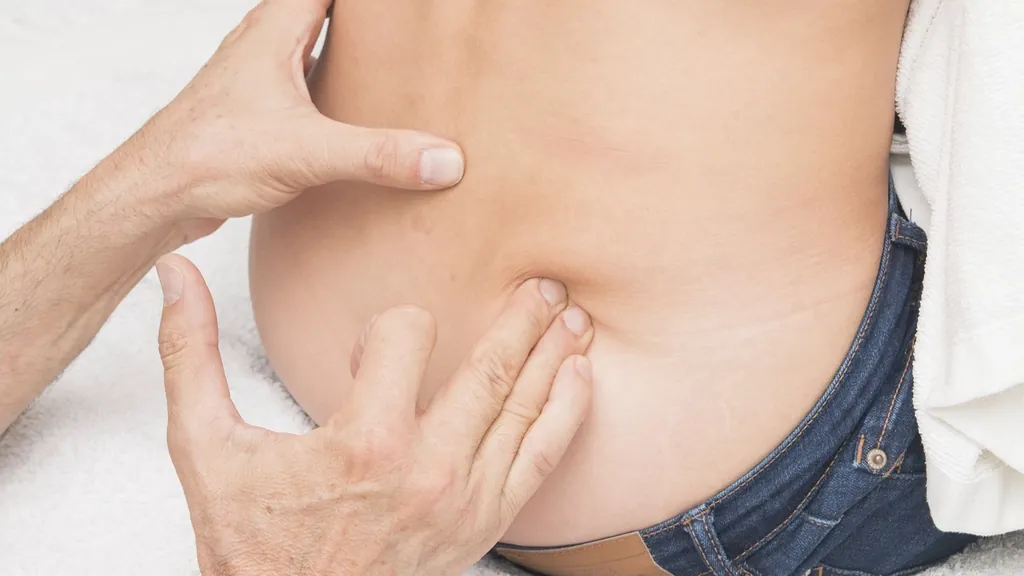
Chiropractic care in NJ is one option people consider after a car accident, a fall or a sports injury. It is also more common than many people think. According to the National Center for Complementary and Integrative Health (NCCIH), 11 percent of U.S. adults used chiropractic care in 2022, and most of them used it to manage pain. If you are thinking about it, this guide explains when to see a doctor first, what happens at a first visit and what the research says.
Key takeaways
Some injuries need medical care before anything else. If you were hurt in a crash or a serious fall, get checked by a doctor or an urgent care center first. MedlinePlus, from the National Library of Medicine, lists warning signs in its guide to acute low back pain. It says to contact your provider right away if you have:
Once a doctor has ruled out a serious problem, you can talk about whether chiropractic care in NJ, or another option, makes sense for you.

The NCCIH fact sheet on chiropractic describes it as a licensed health care profession. Treatment typically involves manual therapy, often including spinal manipulation. In addition, chiropractors may use exercise and nutritional counseling.
To practice in the United States, a chiropractor must earn a Doctor of Chiropractic (D.C.) degree, pass the national board exam and hold a state license. Many states also require an exam on state-specific laws. Also, the scope of what chiropractors may do varies from state to state.
A first visit usually looks a lot like a regular medical appointment. NCCIH explains that chiropractors approach care in a way similar to conventional medicine. Here is the typical flow:
Tip: Bring a short timeline of how you were hurt, notes from any doctor or hospital visit, a list of your medicines and supplements, and your insurance card. If a car accident caused your injury, bring the claim number too.
Many people know chiropractic for the “adjustment.” Chiropractors’ manual methods range from stretching and steady pressure to specific joint manipulations. According to NCCIH, the purpose is to improve joint motion and function. Two terms come up often, and they are not the same:
| Spinal manipulation | Spinal mobilization | |
|---|---|---|
| How it works | Hands or a device apply a controlled thrust to a spinal joint | Gentler movement with no thrust |
| Range of motion | Moves the joint more than it would on its own | Stays within the joint’s natural range |
| Good to know | The most familiar “adjustment” | An option to ask about if thrusts make you nervous |
If you feel uneasy about any technique, say so. A good provider explains each step and checks in with you during treatment.

Hands-on treatment is only part of the picture. Many clinics also teach exercises that you continue at home. MedlinePlus notes that exercise can help you improve your posture, strengthen your back and build flexibility.
Your home routine matters, because you spend far more time at home than in the clinic. So ask your provider to show you each exercise, write down how often to do it and tell you which movements to avoid while you heal.
Watch out: MedlinePlus cautions that starting stretching and strengthening exercises too soon after an injury can make your pain worse. Follow your provider’s timing, and tell them if an exercise makes your pain worse.
It helps to keep your expectations realistic. NCCIH’s page on spinal manipulation says it is one of several nondrug approaches for low-back pain. It may lead to small improvements in both pain and function. For acute neck pain, NCCIH says manipulation can be helpful, but reviewers urge caution because the evidence is limited. In short, no approach works the same way for everyone.
NCCIH also covers safety. Mild side effects, such as more pain or discomfort, stiffness or headache, often occur, and most go away within 24 hours. Serious side effects have been reported, but they are very rare. Health problems you already have may raise your risk, so share your full medical history. If you are pregnant, talk with your health care provider first.
NCCIH notes that health insurance may cover chiropractic care, but coverage may be partial. If you need chiropractic care in NJ after a car crash, your auto policy matters too.
New Jersey note: The state’s auto insurance buyer’s guide explains that Personal Injury Protection, or PIP, is the medical coverage on your auto policy. It pays your own medical expenses no matter who caused the accident. Some drivers choose their health insurance as primary instead, so check your policy before treatment starts.
Before you choose a chiropractor, NCCIH suggests a few steps:
If a car accident caused your injury, keep every bill and record. A personal injury attorney such as Robert J. Gallop, Esq. can explain your options.
NCCIH describes joint manipulations as usually delivered by hand, with a quick and gentle thrust. Some people feel mild soreness, stiffness or a headache afterward, and most of these effects fade within a day. Tell your provider right away if anything feels painful during a session.
Start with a medical evaluation, especially after a car crash or a hard fall. Then follow your doctor’s advice about timing. If you were in a car accident, check how your PIP coverage works before treatment begins, and keep a copy of every record.
It depends on your plan. NCCIH says health insurance may cover chiropractic care, but coverage may be partial. After a car crash in New Jersey, PIP on your auto policy may apply. Ask the clinic and your insurer about costs before your first visit.
Recovery can be hard for older adults who live alone. Ask their doctor about safe activity, and think about short-term help with meals, bathing and errands. A home care professional such as Raquel Marte can talk with your family about support.
Lisa Duke-Lees is part of the team at HealthSource Chiropractic of Roseland, a clinic on Eisenhower Parkway. The clinic pairs chiropractic care with the HealthSource Progressive Rehab functional exercise program, and its chiropractor is Dr. Jenna Patel, D.C. Its services include laser therapy, spinal decompression, kinesiology taping, custom orthotics and nutritional counseling.
To learn more, visit Lisa’s profile to call, email or request an introduction to the clinic. She is part of our After an Accident or Injury team, where you can find other local members who help people recover and move forward. You can also browse more health and wellness members in our directory.
This article is general information, not medical advice. It does not replace an exam by a licensed health care provider, so talk with your doctor about your symptoms and treatment options.
Tell us a little about what you need. We will pass it to Lisa, who will get back to you directly. No cost, no obligation.
7 min read
Ballroom dance lessons in NJ are easy to start. See what a first class is like, what to wear and how group…
With Pamela Licht Dance Studio
6 min read
In-home senior care in NJ helps older adults stay home safely. Learn the warning signs, types of care, what Medicare pays and…
 With Raquel Marte Home Care Agency
7 min read
Thinking about a roof replacement in NJ? Learn the warning signs, repair vs. replace, materials, permit rules and how to hire a…
 With Alex Castro Roofing & Siding