Beverage syrups for bars sit behind a surprising share of your menu, from soda gun pours and iced tea to margaritas, espresso drinks and mocktails. Picture this: on a packed Saturday night, the soda gun starts pouring flat, overly sweet cola, and your bartenders spend the rush apologizing instead of serving. The syrups you choose shape how drinks taste, how fast your team works and what each glass costs you. This guide walks bar and restaurant owners through the choices that matter most.
Key takeaways
Group your syrups by job: fountain, cocktail mixers, coffee and flavor, and dessert.
Compare cost per drink, not price per case.
Have fountain mix ratios checked on a schedule, so every pour tastes the same.
Keep ingredient and allergen information for every product behind the bar.
The Main Types of Beverage Syrups for Bars
Most bars and restaurants use more than one kind of syrup. Each one does a different job, so it helps to think about them in groups:
Type
What it does
Where you use it
Fountain syrups
Mix with water and carbonation at the tap
Soda guns and fountain dispensers
Cocktail mixers
Save prep time on sours and margaritas
The main bar and service well
Coffee and flavor syrups
Speed up iced coffee and flavored drinks
Coffee stations and brunch service
Smoothie and frozen mixes
Give blended drinks a steady base
Frozen drink machines and blenders
Dessert and breakfast syrups
Top pancakes, sundaes and desserts
The kitchen side of the menu
To keep beverage syrups for bars and kitchens organized, start by listing every drink you sell. Then match each one to the syrup it needs. That way, you can spot overlaps, cut duplicate flavors and keep your storage shelves simple.
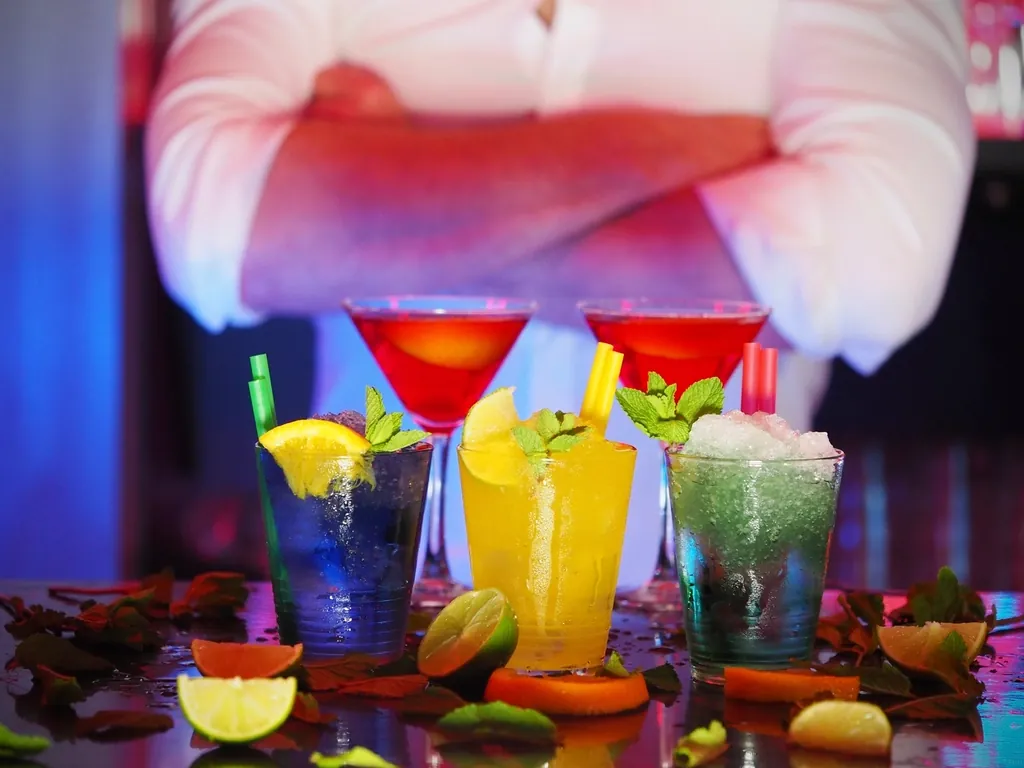
Flavored syrups and mixers let you offer bright, varied drinks, including alcohol-free options, without a long prep list.
Why Consistency Matters Behind the Bar
Guests expect a favorite drink to taste the same on a slow afternoon as it does on a busy weekend. However, hand-measured recipes can drift from one bartender to the next. Well-made beverage syrups for bars remove much of that guesswork, and they protect your speed, too. When every pour comes out right the first time, your team spends less time remaking drinks during a rush.
For fountain drinks, the mix ratio is the key. If the dispenser pours too much syrup, drinks taste heavy and you burn through product. If it pours too little, drinks taste weak and flat. So ask your supplier to check and adjust your system on a regular schedule. In addition, write down standard recipes for cocktails and coffee drinks, and keep measuring tools at every station.
Tip: Post a short recipe card at each station for your top ten drinks. New hires learn faster, and regulars get the same drink no matter who is working.
How to Figure Cost per Drink
Price per case only tells part of the story. Instead, look at what each serving really costs you. Here is a simple way to do it:
Find the container price. Note what you pay for one box, jug or bottle of syrup.
Count the servings. Check how many drinks it makes at your pour size or mix ratio.
Divide. Divide the price by the number of servings to get the syrup cost per drink.
Add the extras. Include the cup, ice, garnish, spirits and any other ingredients.
Compare. Set that total next to your menu price, and adjust if the margin looks thin.
Run this math for your best sellers, and repeat it whenever you compare brands. You may find that a slightly pricier syrup costs less per drink, because it yields more servings or cuts waste. Also, track how much product you throw away each month, since spoiled or expired stock raises your real cost.
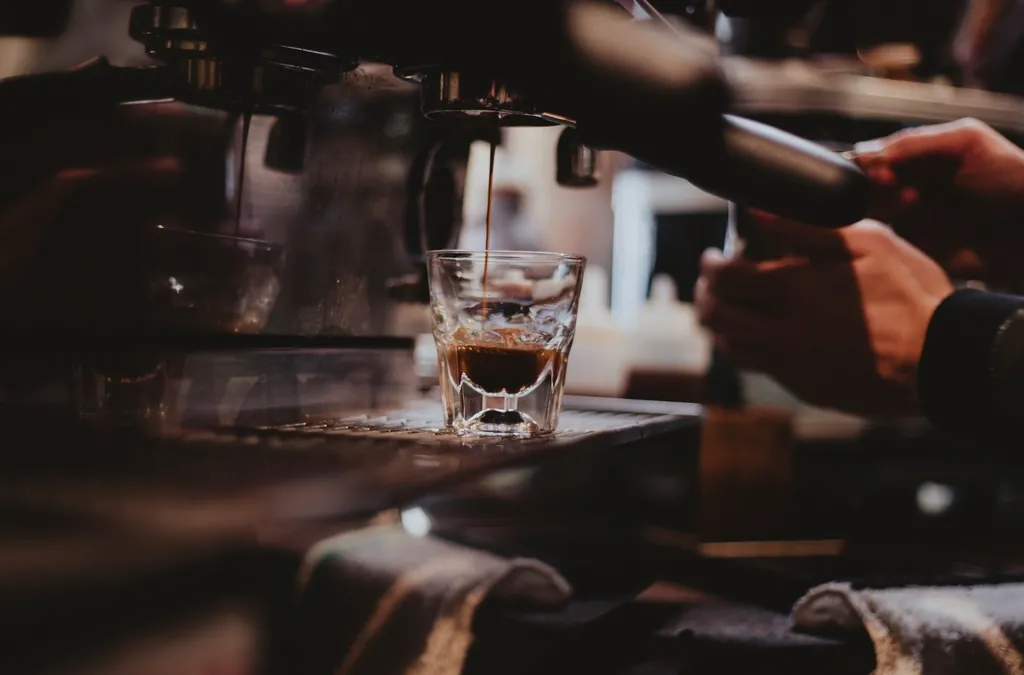
Coffee concentrates and flavor syrups help you serve iced coffee and flavored drinks quickly during the brunch rush.
Storing and Handling Syrups Safely
Good storage protects both flavor and food safety. Your local health department inspects bars and restaurants, so keep the beverage area as clean as your kitchen. Many states and local agencies base their own rules on the FDA Food Code, a model code for restaurants, grocery stores and other food service.
New Jersey note: The state Department of Health’s Retail Food Project maintains N.J.A.C. 8:24, the rule on sanitation in retail food establishments, food and beverage machines, and cottage food operations. For questions about your own bar or restaurant, start with your local health department.
These habits support safe, steady service:
Follow the storage directions on each label, both before and after opening.
Rotate stock so the oldest product gets used first.
Write the opening date on every container you start.
Clean soda gun nozzles, dispenser heads and lines on a set schedule.
Store carbon dioxide cylinders upright and secured, and follow your gas supplier’s safety directions.
Allergens and Ingredient Labels
Some syrups and mixers contain ingredients your guests need to avoid. The FDA lists nine major food allergens: milk, eggs, fish, crustacean shellfish, tree nuts, peanuts, wheat, soybeans and sesame. Packaged foods must name the food source of any major allergen they contain.
Watch out: The federal labeling law does not cover most drinks made to order at a bar or restaurant. So a nut-flavored syrup may or may not contain real tree nuts, and your guest cannot tell from the glass. Keep ingredient sheets for every product, and train your team to check them when a guest asks.
Questions to Ask a Beverage Syrups Supplier
When bars choose beverage syrups, the supplier matters as much as the flavor. After all, your supplier is a partner in every drink you pour. Before you sign on, ask these questions:
What flavors do you carry, and can you create custom products?
Do you install, rent and repair dispensing equipment?
How fast can you respond when a machine breaks on a busy night?
What is your delivery schedule for my area?
Can you provide ingredient and allergen information for each product?
Will you train my staff on the equipment?
A local supplier can often visit in person and help you adjust your system as your menu changes. That matters most when a new seasonal menu or a big event is on the way.
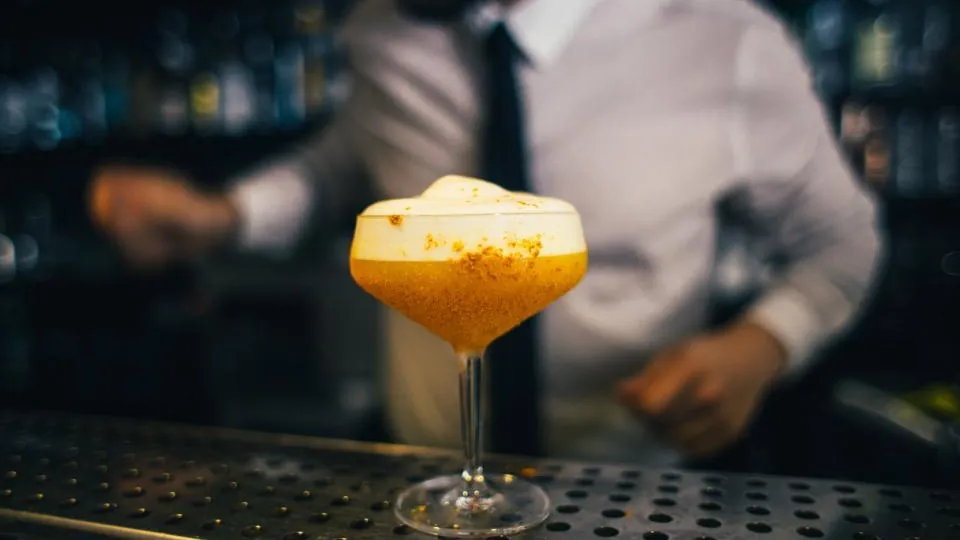
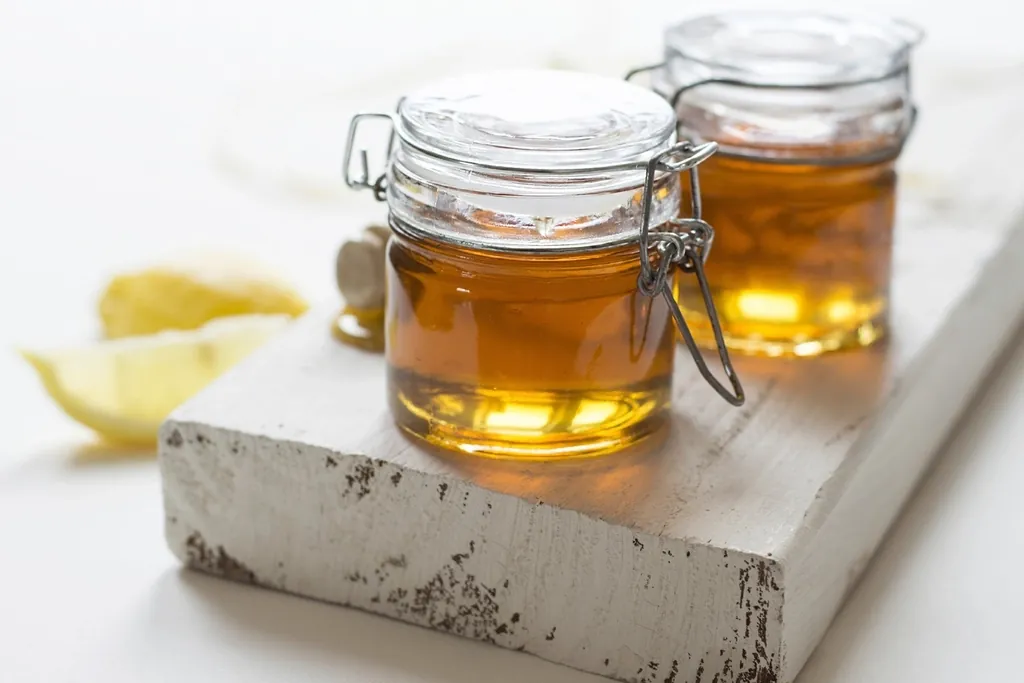
House-made syrups can set a cocktail menu apart, but each batch needs careful labeling, dating and storage.
Beverage Syrups for Bars: Common Questions
Should bars make their own syrups in house?
House-made syrups can help a cocktail menu stand out. However, they take labor, and each batch needs careful storage, dating and labeling. Ready-made syrups trade some creativity for speed and a steady taste. Many bars use both, keeping a few signature syrups in house and buying the rest.
What equipment does a fountain system need?
A fountain setup needs a dispenser, a way to carbonate water, a carbon dioxide supply and the lines that connect them. Many suppliers install and service this equipment, so ask exactly what is included before you compare prices.
How should opened beverage syrups be stored?
Follow the storage directions on each label, since products differ. Date every container when you open it, use the oldest stock first and keep the storage area clean. If a product looks, smells or tastes off, set it aside and ask your supplier.
How Dylan Dell Can Help
Dylan Dell represents Sea Breeze Syrups, a fourth-generation, family-owned beverage and syrup manufacturer based in Towaco and operating since 1925. Sea Breeze supplies fountain beverages, coffee concentrates, cocktail and smoothie mixers, custom pack syrups, and dessert and breakfast syrups. Its customers include restaurants, bars, catering halls, country clubs and healthcare facilities across New Jersey and New York. The company also installs, rents and repairs dispensing equipment, with emergency repair available every day of the year.
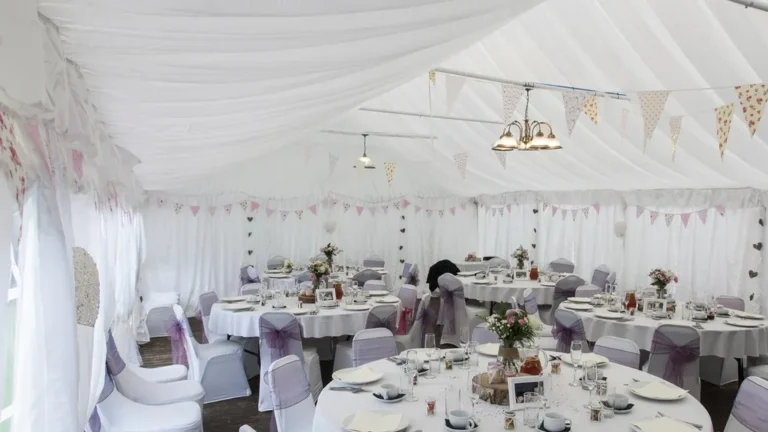
To talk through your drink menu or equipment, visit Dylan’s profile to call, email or request an introduction. He is part of our Celebrations, Events & Travel team. Planning a large event? You can also meet Mike & Sue Mignone for tents, tables and party rentals, and Betsy Zaplin for branded cups and other promotional products.
This article is general information, not legal or food safety advice. Rules can change and vary by town, so check with your local health department about your business.

 With Mike & Sue Mignone Party Rentals